Inspiring Action
Change is not only possible – it’s already happening. Around the world, parents, teachers, schools, and policymakers are reviewing the evidence and choosing to prioritise children’s wellbeing over commercial promises. From major national policy reversals to individual schools quietly returning to paper, the movement toward evidence-based education is gaining momentum.
These examples prove that we’re not stuck with screen-first education. When decision-makers put children first and follow the evidence, they find that change is not only achievable but often welcomed by teachers, students, and families alike. The schools and countries making these changes aren’t turning back the clock – they’re moving forward with evidence-based practice that puts learning, health, and human connection at the centre of education.
Whether you’re a parent wondering if change is possible, a teacher seeking alternatives, or a policymaker looking for proven approaches, these examples demonstrate what’s working around the world.
National Policy Changes
🇸🇪 Sweden
“There is clear scientific support that digital tools risk impairing, rather than improving student learning.”
This is the wording from the Karolinska Institute who prepared a consultation response to the digitalisaton strategy of the Swedish national agency for education.
Furthermore, an international assessment of fourth-grade reading levels, the Progress in International Reading Literacy Study (PIRLS), highlighted a decline among Sweden’s children between 2016 and 2021.
In 2021, Swedish fourth graders averaged 544 points, a drop from the 555 average in 2016. To counter Sweden’s decline in fourth grade reading performance, the Swedish government announced an investment worth kr685m (£50m) in book purchases for schools this year. Another kr500m will be spent annually in 2024 and 2025 to speed up the return of textbooks. 9
Action Taken:
- Preschools are now not required to use digital tools
- Investment to restore textbooks across schools
🇪🇸 Spain (Madrid)
Bold Limits on School Screen Time
The Autonomous Community of Madrid reviewed evidence on screen time and child development, then implemented some of Europe’s most protective policies for primary school children.2
Action Taken:
- Complete ban on screen-based homework
- Maximum 2 hours weekly device use in primary schools
- No individual devices (tablets/laptops) for primary students
- Policy affects over 500,000 children
- Implemented in record time from the 2024 school year
What makes it work:
Clear, measurable limits that schools can actually implement. Recognition that health recommendations (1 hour daily total screen time for ages 7-12) must include school time, not just home use.
🇫🇮 Finland
Returning to What Works
Once celebrated globally for educational innovation, Finland is now recognising the limits of classroom technology and returning to traditional methods that made Finnish education world-renowned.3
Action Taken:
- Schools bringing back textbooks
- Reducing screen time in classrooms
- Returning to paper-based learning for core subjects
- Balanced approach prioritising proven methods
The Finnish lesson:
Even the world’s most admired education system recognises that digital isn’t always better. Success comes from evidence, not technology.
🇰🇷 South Korea
When Tech Leaders Say No to AI
In one of the world’s most technologically advanced nations, South Korea cancelled its ambitious national AI textbook programme despite significant investment and political pressure.4
Action Taken:
- Cancelled national AI textbook rollout
- Cited insufficient evidence of effectiveness
- Concerns about health impacts on children
- Recognition that teacher deskilling outweighed potential benefits
Why it matters:
If a global technology leader decides AI textbooks aren’t ready for children, what does that tell us about the evidence?
Grassroots Movements Making Change
🇪🇸 Spain
The OFF Movement
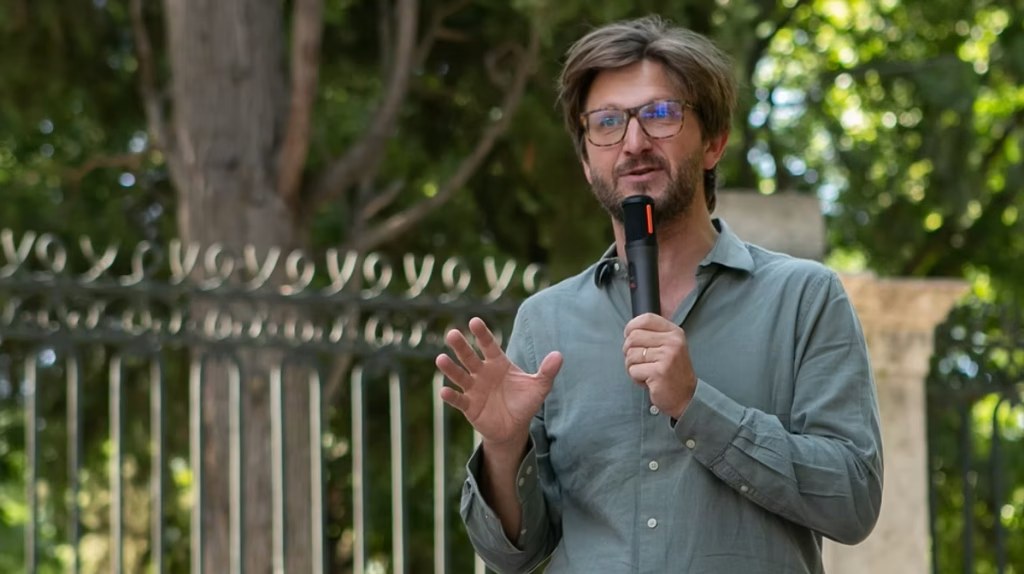
Diego Hidalgo’s OFF Movement has mobilised thousands of parents, teachers, psychologists, and health professionals across Spain to demand evidence-based EdTech policy.2
What they've achieved:
- Published a comprehensive white paper on EdTech harms with renowned specialists
- Support from major Spanish medical societies including paediatricians, GPs, and adolescent medicine specialists
- Organised simultaneous demonstrations in 12 Spanish cities
- Directly influenced Madrid’s protective policies
- Built a coalition spanning parents, teachers, and medical professionals
Their message:
“Digital de-escalation in school education” based on health and learning evidence, not commercial interests.
🇺🇸 United States
Legal Action and Parent Power
American parents are taking multiple approaches to challenge unsafe EdTech practices.
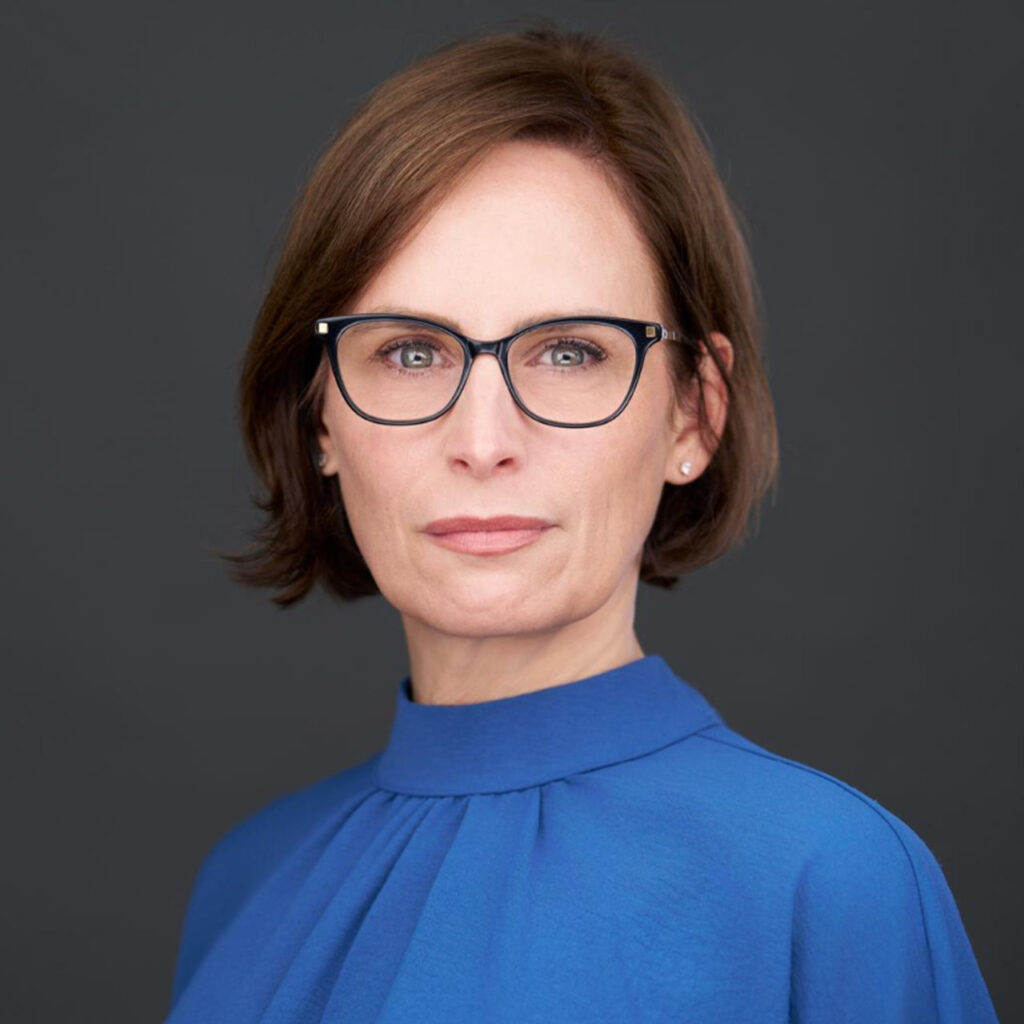
Emily Cherkin – The Screentime Consultant5
- Former teacher leading as plaintiff in class action lawsuit against major EdTech company
- Created “Six Myths of EdTech” framework adopted by parent groups
- Provides practical support for families and schools seeking tech-intentional approaches
- Demonstrates that even individual parents can challenge tech giants

Julie & Andrew Liddell – EdTech Law Center 6
- Consumer protection law firm addressing EdTech harms
- Representing families whose children were harmed by school devices
- Building legal precedents for EdTech accountability
- Forcing companies to acknowledge design flaws and safety failures
🏴 Scotland
Parents Exposing Filter Failures
After discovering his daughter was exposed to pornography on school iPads, software engineer Harry Amies documented systematic filter failures affecting over 100,000 Scottish children.7
Impact:
- Video evidence shared with Scottish Parliament
- Education Secretary wrote to every Scottish council demanding safety checks
- National media coverage forcing accountability
- Demonstrated that parents with technical knowledge can expose corporate claims
- Showed that even “gold standard” accredited filters fail consistently
The lesson:
Individual parents documenting and sharing evidence can catalyse national policy review.
What Some UK Schools Are Already Doing
Removing Devices from Younger Years
Some primary schools have quietly decided not to give individual devices to younger children, instead:
- Using paper workbooks and textbooks
- Reserving computer labs for specific, teacher-led ICT lessons
- Focusing on handwriting, physical books, and face-to-face instruction
- Reporting improved attention, behaviour, and learning
Paper-Based Core Subjects
- Keeping all subjects primarily paper-based, aside from IT
- Ensuring homework is paper based
- Cherishing libraries and encouraging reading
Why aren’t we hearing more about these schools?
These schools should be heralded as pioneers for what’s best for our children. They are turning against the tide and standing up for what is right.
Teachers and schools who are doing the right thing -please get in touch and we will support you.
Academic and Policy Research

Dr Velislava Hillman - EDDS Institute
Founder of the Educational Data and Digital Safety Institute, Dr Hillman is building frameworks for independent EdTech audits.9
Her work:
- Testing commercial EdTech products for privacy, cybersecurity, and AI risk
- Finding that vendors routinely fail basic standards
- Developing mandatory standards framework through EU and international work
- Calling for independent audits rooted in law, rights, and evidence
The vision:
Technology can serve education – but only with strong, independent public governance, not self-regulation by companies with commercial interests.
Independent Research
Will Ellis - Reclaim Childhood Substack
Will Ellis is an independent researcher, education analyst and former classroom teacher with twenty years in the British system, in the UK and Tokyo.
His work:
- Raising awareness of the developmental and safeguarding risks of educational technology and AI
- Has been submitted to the Education Select Committee
- Has been cited in parliamentary evidence
The vision:
- No 1:1 devices.
- No digitisation of homework.
- A framework for use of EdTech in schools.

What You Can Learn From These Examples

For Parents:
- You’re not alone – millions of parents worldwide share these concerns
- Individual parents have successfully challenged schools
- Collective action through parent groups is powerful

For Teachers:
- Professional concerns about EdTech are valid and evidence-based
- Many teachers privately question digitalisation but need collective support
- Paper-based teaching isn’t outdated – it’s best practice
- Your expertise matters more than any profiteering platforms

For Schools:
- Policy reversals are possible and often welcomed
- Paper-based learning costs less than digital infrastructure
- Screens expose schools to multiple liabilities
- Results go up when books come back

For Policymakers:
- Major reversals (Sweden, South Korea, Denmark) show that political courage is rewarded
- Quick implementation (Madrid) proves change doesn’t require years
- Independent reviews (Karolinska, OECD and UNESCO) provide ammunition for change
- Health guidance must include school screen time, not just home use
The Common Thread
Every successful example shares key elements:
- Evidence first – reviewing research objectively rather than accepting commercial claims
- Children’s interests prioritised – putting health, learning, and wellbeing above convenience and profit
- Professional expertise respected – trusting teachers, doctors, and independent researchers over tech salespeople
- Clear, measurable actions – quantifiable rollbacks not vague promises
- Political courage – willingness to reverse course when the evidence demands it
The movement away from a screen based education is growing. Every parent who raises concerns, every teacher who returns to paper, every school that limits devices, and every country that reverses digitalisation policies makes it easier for others to follow.
Change is possible. Change is happening. Change is essential.
Sources
- Karolinska Institute Sweden (2023); Sweden’s €104 million policy reversal
- Diego Hidalgo, OFF Movement, Parliamentary testimony (November 2024)
- Close Screens Open Minds policy research: Finland (Reuters 2024)
- Close Screens Open Minds policy research: South Korea
- Emily Cherkin, Parliamentary testimony (November 2024)
- Julie and Andrew Liddell, EdTech Law Center, Parliamentary testimony (November 2024)
- Harry Amies, Parliamentary testimony (November 2024)
- Dr Velislava Hillman, Parliamentary testimony (November 2024)
- The Guardian 11 Sept 2023: Switching Off: Sweden says back-to-basics schooling works on paper
Know of other inspiring examples?
We’d love to hear about schools, teachers, or communities taking evidence-based action.