Close Screens Open Minds is a parent-led, non-partisan campaign uniting parents, educators and child health experts who believe the screen-first education approach is harming children.
Co-founded by Anna Grant and Arlene Carruthers, the campaign is supported by patrons Hugh Grant and Sophie Winkleman – both leading advocates for teacher-led, book based education policy.
Close Screens Open Minds is a parent-led, non-partisan campaign uniting parents, educators and child health experts who believe the screen-first education approach is harming children.
Co-founded by Anna Grant and Arlene Carruthers, the campaign is supported by patrons Hugh Grant and Sophie Winkleman – both leading advocates for teacher-led, book based education policy.
Close Screens Open Minds is pushing for urgent national standards on classroom technology:
- Pause EdTech rollout until independent proof shows it improves learning
- Introduce national medial guidance on screen harms
- Update child-safety and product-safety laws to regulate digital classroom tools
- Establish strict data-privacy rules to stop commercial tracking of children
- Prioritise books, handwriting and human teaching over devices
- Oppose the rollout of fully digitised exams, scheduled to be in place by 2030
Our Patrons
Hugh Grant
Actor, Campaigner and Patron of Close Screens Open Minds
Hugh Grant is an award-winning actor and educational philanthropist. His knowledge of EdTech is academic and extensive. His intellect and artistic brilliance lends him a keen understanding of what is needed for creative expression and profound thinking.


Sophie Winkleman
Actress, Campaigner and Patron of Close Screens Open Minds
Sophie Winkleman is an actress and patron of several charities including School-Home Support and The Children’s Surgery Foundation. She also sits on the board of a multi-academy trust of schools. She is a campaigner for a smartphone and social media ban for Under 16s in the UK, and for a moratorium on the contagion of screen-based education.
Expert Voices
Close Screens Open Minds collaborates with leading researchers, campaigners, and practitioners who are challenging the EdTech status quo.
From international bestselling authors to grassroots parent campaigners, from medical doctors to former teachers, from university professors to software engineers – these experts bring the evidence, legal expertise, and lived experience needed to demand better for our children.

Professor Jonathan Haidt
Social Psychologist, Author and Speaker
Read More
Thomas Cooley Professor of Ethical Leadership, New York University Stern School of Business. He is the author of the international bestseller The Anxious Generation, which examines the role of excessive screen time in driving the adolescent mental health crisis. His research reveals how school-mandated device use contributes to anxiety, depression, and attention collapse among young people. Through his work at After Babel and collaborations with organisations like Close Screens Open Minds, Haidt has documented how the shift from play-based childhood to phone-based childhood has harmed children’s wellbeing and academic performance. He argues that the introduction of 1:1 devices in schools – putting a Chromebook or tablet on every student’s desk – represents an uncontrolled experiment on children without informed consent, and that distraction effects exceed whatever benefits educational apps might provide.

Dr Jared Cooney Horvath
Neuroscientist, Educator and Author
Read More
Neuroscientist, educator and former researcher and teacher at Harvard University, Harvard Medical School and the Univesity of Melbourne. He is the creator of The Learning Blueprint – an award winning program helping educators and students understand how learning actually works. Jared has published over 60 research articles and is the author of 6 books including The Digital Delusion: How Classroom Technology Harms our Kids’ Learning – and How to Help Them Thrive Again.
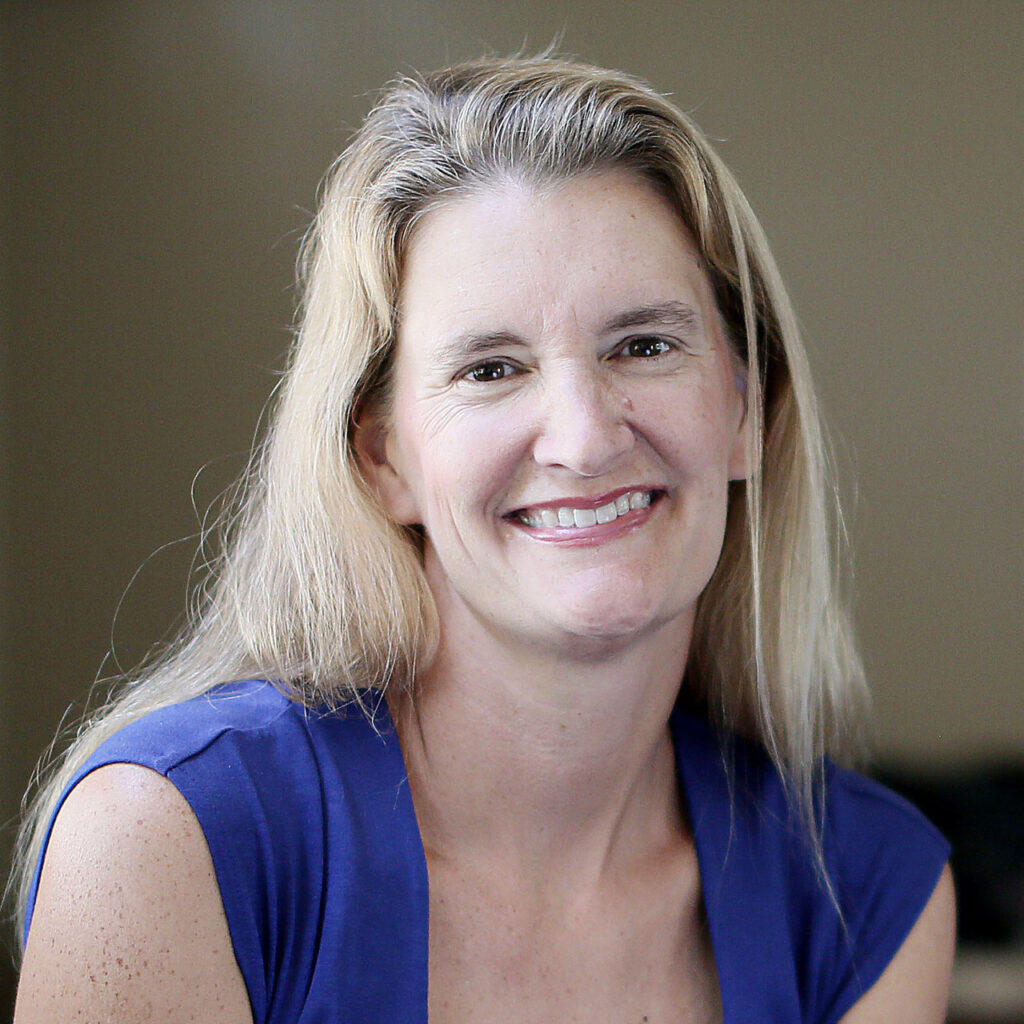
Dr Jean Twenge
Psychologist, Author and Speaker
Read More
Professor of Psychology at San Diego State University; author of 190 scientific publications and 8 books, including 10 Rules for Raising Kids in a High Tech World.

Dr Anna Lembke
Professor of Psychiatry, Author and Speaker
Read More
Professor of Psychiatry at Standford University School of Medicine and Cheif of the Stanford Addiction Medicine Dual Diagnosis Clinic. She has published over 100 peer reviewed papers, book chapters and commentaries. Dr Lembke appeared in the Netflix documentary The Social Dilemma. She wrote Dopamine Nation and The Official Dopamine Nation Workbook – an interactive guide for kids, families, teachers, students, and therapists to learn about the neuroscience of addiction and the importance of a dopamine fast, including from digital media to reset reward pathways and get out of the state of craving.
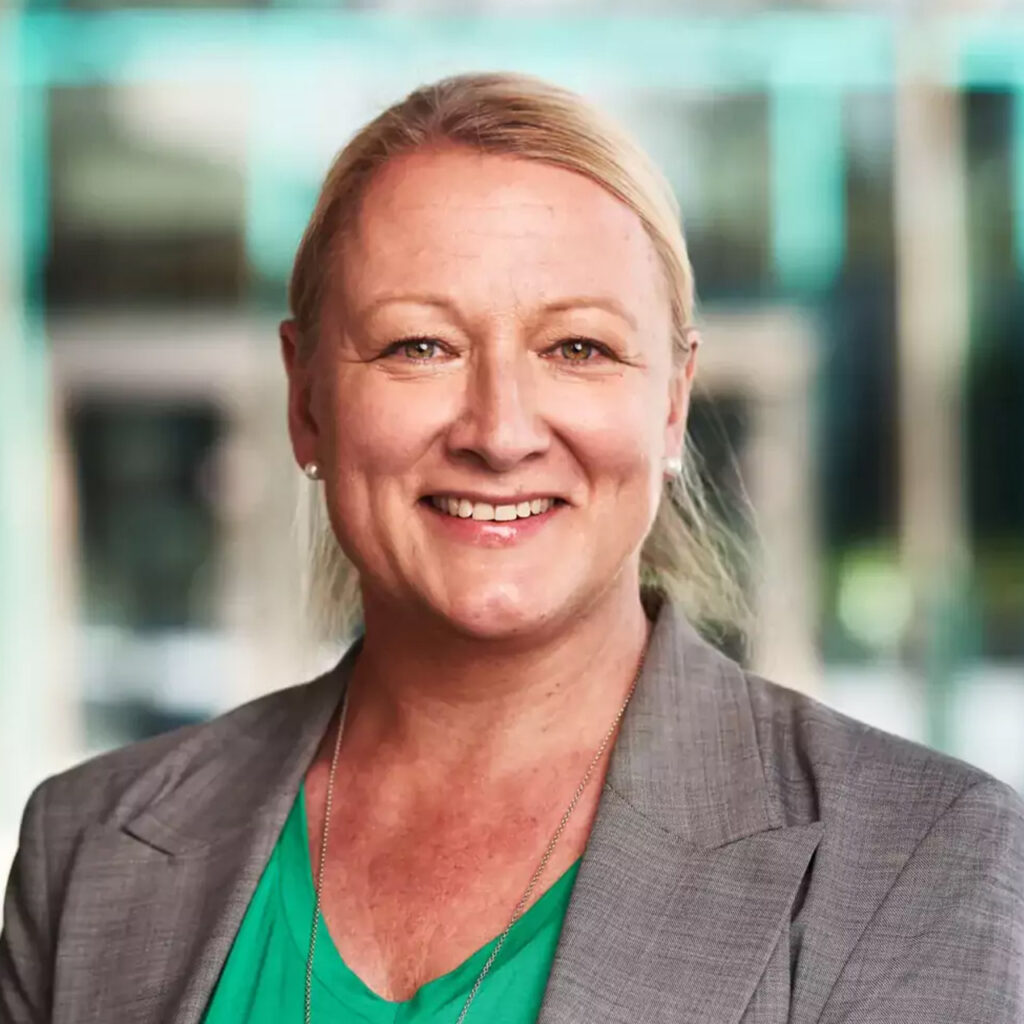
Professor Lisa Thorell
Professor in Developmental Psychology
Department of Clinical Neuroscience, Karolinska Institutet
Read More
She has published about 100 research articles in international peer-reviewed journals and has worked for many years toward more restrictive use of digital tools in the educational system. She has also conducted extensive research on the effects of social media and gaming on children’s development and mental health.

Dr Rangan Chatterjee
GP, Author, Presenter and Podcaster
Read More
Dr Rangan Chatterjee is a GP, bestselling author, and host of the Feel Better, Live More podcast, where he explores the intersection of health, wellbeing, and modern lifestyle. Through his medical practice and podcast conversations with leading researchers like Andrew Huberman, Rangan has highlighted how screen-based homework disrupts children’s sleep by delaying melatonin production, leaving them tired, emotionally dysregulated, and less able to learn the following day. He advocates for a simple but powerful policy change: no homework on screens. His accessible communication style has helped thousands of parents understand that evening screen use isn’t just inconvenient – it’s actively undermining their children’s cognitive function and emotional wellbeing.

Dr Velislava Hillman
Goldsmiths
Read More
Founder of the EDDS (Education, Digital, Data, Society) Institute, a faculty lecturer at Goldsmiths, and author of Taming EdTech. Her research examines how commercial interests have captured educational policy and practice, often at the expense of children’s learning and wellbeing. As both an academic and a school parent trustee, Velislava bridges research and practical governance, helping schools navigate the commercial pressures driving EdTech adoption. Writing in The Guardian, she warned that “the evidence base for EdTech is narrow, industry-driven and shaky at best,” and that parents are right to be worried about Big Tech’s transformation of the classroom. Her work provides the critical analysis needed to resist marketing claims and demand evidence.
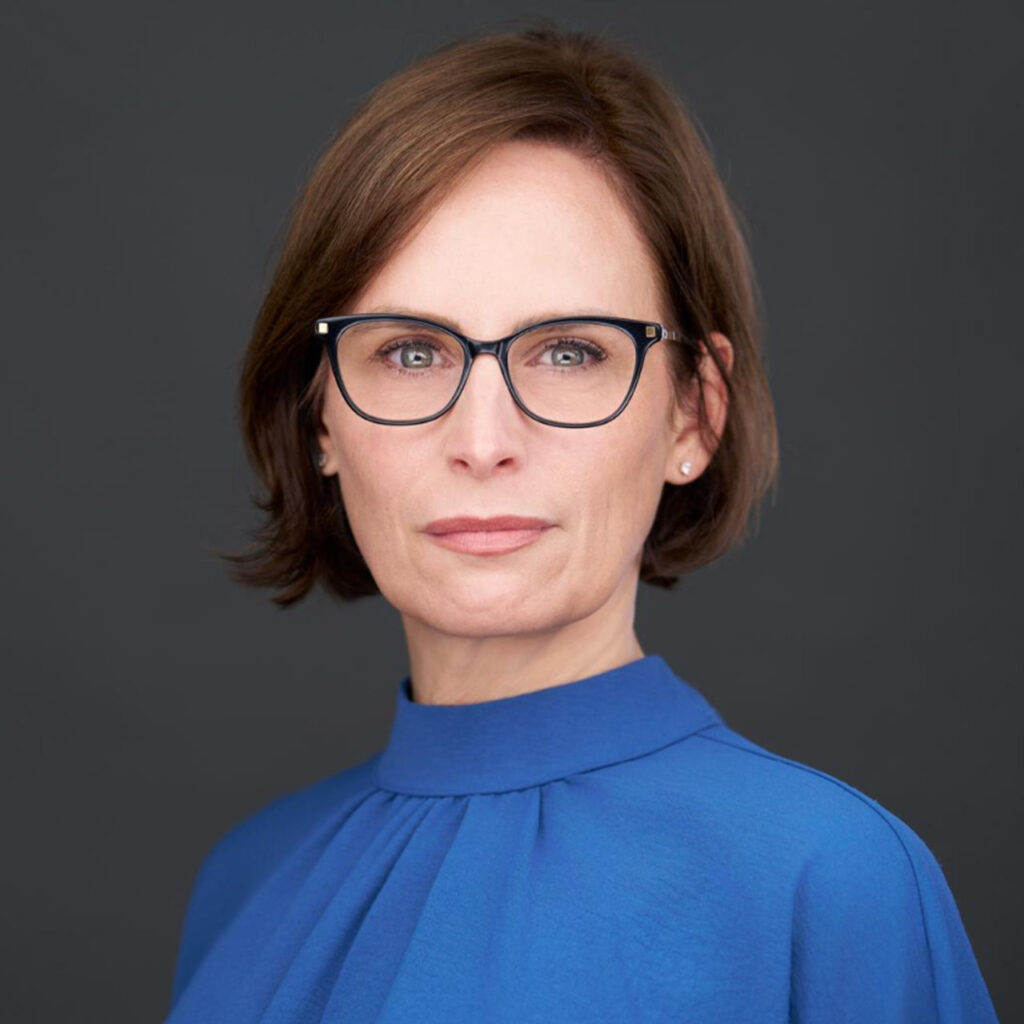
Emily Cherkin
Educator and The Screentime Consultant
Read More
Emily Cherkin is a former teacher turned educational consultant who created “The Six Myths of EdTech” – a deconstruction of widely-believed but unsupported claims about educational technology. Drawing on her classroom experience and extensive research, she challenges myths like “digital natives need digital learning” and exposes how EdTech companies have sold schools expensive platforms without evidence they improve outcomes. Through her work as The Screentime Consultant, Emily supports families and schools seeking evidence-based approaches to technology use. Her testimony to UK Parliament highlighted research showing that even 30 minutes of digital device use in class negatively impacts reading comprehension scores – evidence that should fundamentally change how schools approach classroom technology.

Ane Vernon
Partner
Read More
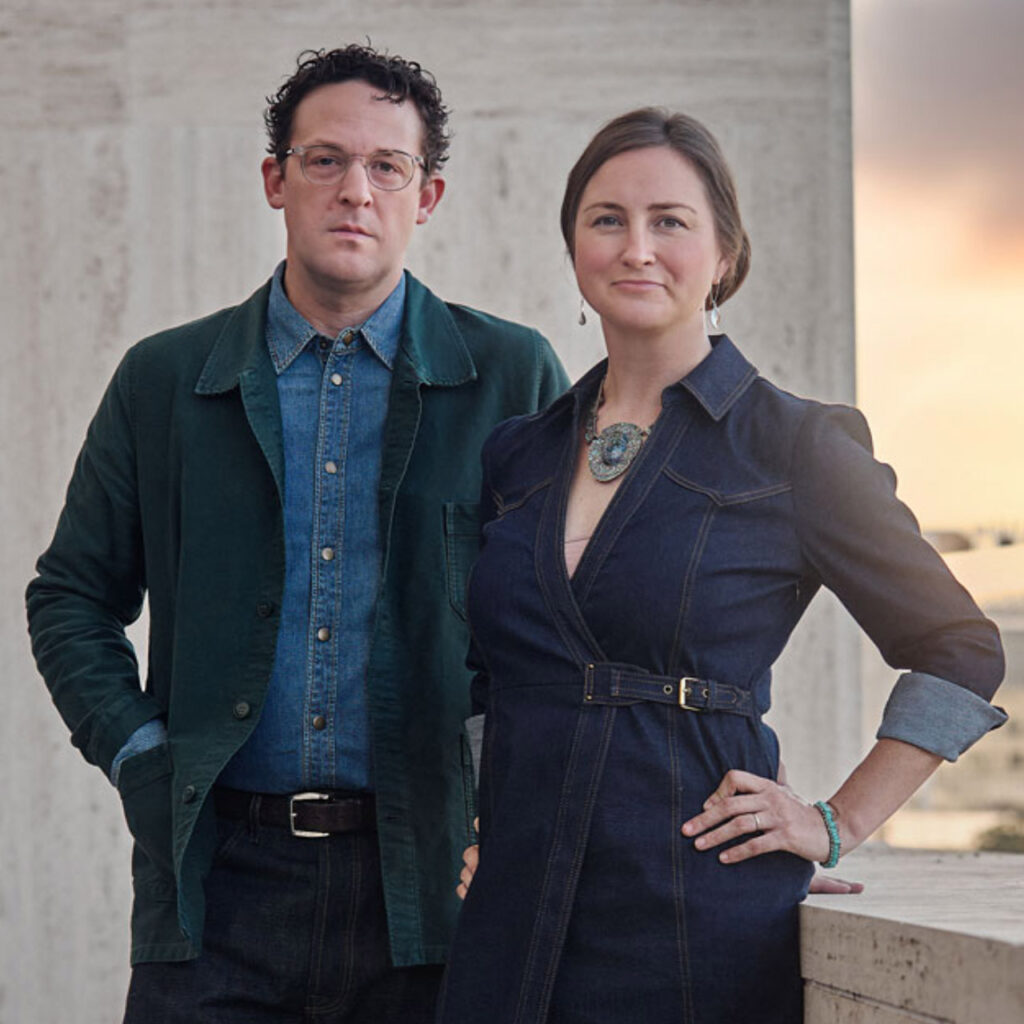
Julie and Andrew Liddell
Co-founders of The EdTech Law Center
Read More
Julie and Andrew Liddell are the co-founders of The EdTech Law Center, which provides legal expertise and advocacy on the intersection of education, technology, and children’s rights. Their work focuses on protecting student privacy, challenging data harvesting by EdTech companies, and ensuring schools comply with safeguarding obligations when deploying digital platforms. The Liddells have supported parents seeking to understand and challenge their schools’ EdTech contracts, exposed surveillance practices in educational technology, and advocated for stronger regulatory oversight of an industry that treats children’s data as a commodity. Their legal analysis reveals that many schools have adopted platforms without properly assessing privacy risks or obtaining meaningful parental consent.
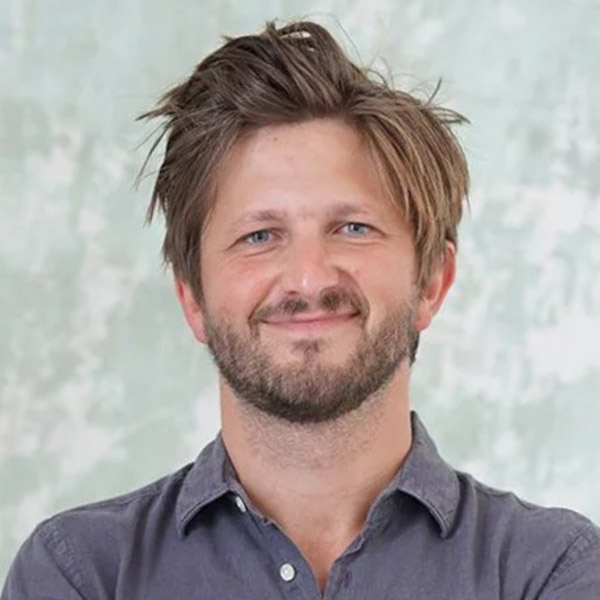
Diego Hidalgo
Author, Lecturer and Founder of the OFF Movement
Read More
Diego Hidalgo is an author, lecturer, and founder of the OFF Movement, which advocates for digital minimalism and reclaiming human attention from technology companies. His work examines how constant connectivity and device dependence have reshaped childhood, family life, and education – almost always for the worse. Through the OFF Movement, Diego helps families and schools create boundaries around technology use, promoting “offline” time as essential for deep thinking, creativity, and human connection. His perspective challenges the narrative that children need constant digital engagement, instead arguing that boredom, unstructured play, and screen-free learning are crucial for healthy development. Diego’s advocacy complements educational research by addressing the broader cultural shift toward device dependence that makes evidence-based EdTech policy so difficult to achieve.

Ben Kingsley
Legal Director, SafeScreens
Read More

Will Ellis
Independent Researcher, Reclaim Childhood
Read More
Will Ellis is an independent researcher, education analyst and former classroom teacher with twenty years in the British system, in the UK and Tokyo. He is the creator of Reclaim Childhood, a Substack publication on the developmental and safeguarding risks of educational technology and AI. His work has been submitted to the Education Select Committee and cited in parliamentary evidence. He lives in Sussex with his wife and two children.

Harry Amies
Software Engineer, Parent and Campaigner
Read More
Harry Amies is a software engineer and parent campaigner who has exposed the failure of schools to protect children from harmful content on school-issued devices. His viral video “Filters Don’t Work” documented how Edinburgh schoolchildren were exposed to pornography on school devices despite supposedly robust filtering systems – revealing a safeguarding crisis that schools and EdTech companies have been reluctant to acknowledge. As both a tech professional and a parent, Harry understands how filtering software is marketed with false promises of safety while children remain vulnerable to inappropriate content during the school day. His campaigning has forced uncomfortable conversations about whether schools have the technical capacity to safely manage device programmes, and whether the rush to digitalise education has prioritised commercial interests over child protection. Harry’s work demonstrates that this isn’t about isolated technical failures – it’s a systemic problem with 1:1 device policies that put children at risk while they’re supposed to be learning.