What parents need to know
Empathy is a core biological driver of learning, helping students stay engaged and push through frustration. It depends on real-time human connection – no algorithm can replicate it. When we replace teachers with tech, children lose one of the most powerful learning tools we know.
Full Citation
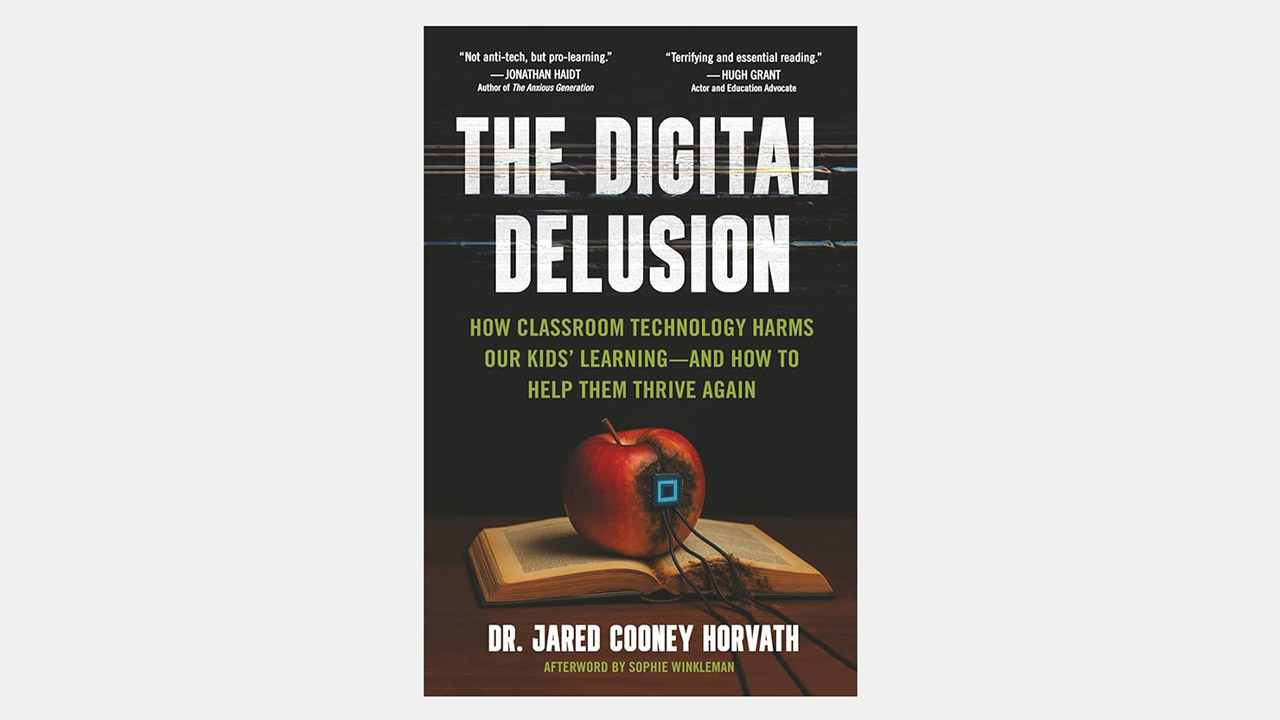
Horvath, J.C. (2025). The Digital Delusion: How Classroom Technology Harms Our Kids’ Learning. Chapter on human connection and learning. Penguin Random House.
Publication Type
Book chapter examining the role of empathy and human connection in learning
What They Studied
Horvath examined neuroscience and educational research on the role of empathy, emotional connection, and human relationships in learning. He investigated what happens to motivation, persistence, and deep engagement when human teachers are replaced or supplemented by technological interfaces and whether algorithms can provide the same learning support as human instructors.
Key Findings
- Empathy “is a core biological driver of learning”
- “It helps students stay engaged, push through frustration and deeply connect with ideas”
- Learning is fundamentally a social, relational activity – not just information transfer
- Empathy “depends on real time human connection and resonance, no algorithm or AI can truly replicate”
- Teachers read students’ facial expressions, body language, and emotional states to adjust instruction in real time
- This responsive adjustment based on empathetic understanding is essential for effective teaching
- Technology can deliver content but cannot provide the emotional support and encouragement that sustain learning through difficulty
- “When we replace teachers with tech, our children don’t simply lose warmth; they lose one of the most powerful learning tools we know of”
- Students’ relationships with teachers predict learning outcomes independent of teaching methods
- Feeling understood and supported by a teacher increases persistence, effort, and willingness to take intellectual risks
- EdTech often promises to “personalize” learning, but this technological personalization cannot replace human understanding
- The push toward technology-mediated instruction may be fundamentally incompatible with how humans actually learn
- For struggling students especially, human connection may be more important than any instructional technology
Read the book
Horvath, J.C. (2025). The Digital Delusion. Penguin Random House.