What parents need to know
Learning emerges from the rhythms, movements, and sensations of our entire physical selves, not just the brain. When we write by hand, we don’t just record thoughts – we shape them. The arc of the wrist, weight of the pen, rhythm of breathing: all extend cognition beyond the brain.
Full Citation
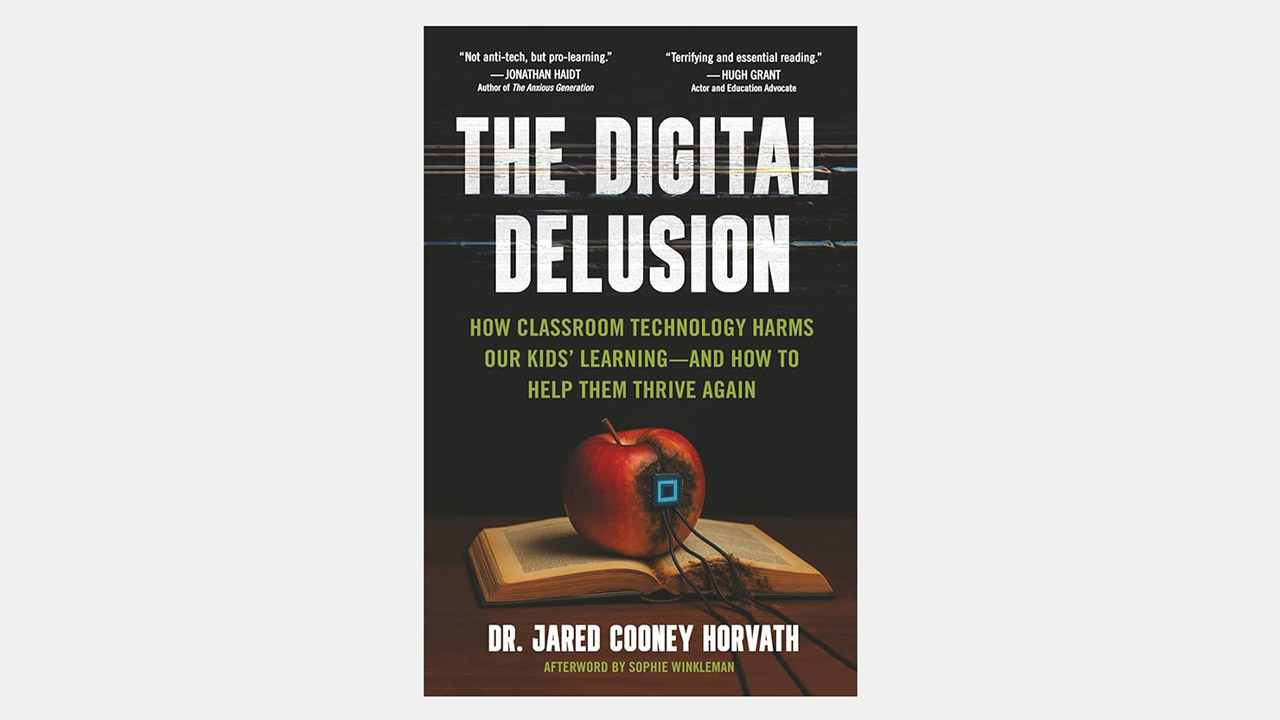
Horvath, J.C. (2025). The Digital Delusion: How Classroom Technology Harms Our Kids’ Learning. Chapter on embodied cognition. Penguin Random House.
Publication Type
Book chapter examining embodied cognition research and its implications for handwriting
What They Studied
Horvath explored research on embodied cognition – the theory that thinking is not confined to the brain but is distributed across the entire body and its interactions with the physical world. He examined how this framework helps explain why handwriting produces deeper learning than typing, focusing on the physical, embodied nature of writing by hand.
Key Findings
- “Learning doesn’t arise from the brain alone; it emerges from the rhythms, movements and sensations of our entire physical selves”
- Handwriting is “slower, more deliberate, and fundamentally embodied”
- “When we write by hand, we don’t just record thoughts, we shape them. The arc of the wrist, the weight of the pen, the rhythm of our breathing: all of this extends cognition beyond the brain”
- “Handwriting is thinking” – not a metaphor but a literal description of embodied cognition
- The physical sensations and movements of handwriting are part of the cognitive process, not separate from it
- Typing lacks this embodied dimension – it’s a purely mechanical, repetitive motion that doesn’t engage the body in the same way
- The rhythm and flow of handwriting can enhance creative thinking and problem-solving
- Students often report that writing by hand helps them “think through” problems in ways that typing does not
- The tactile feedback and motor control required for handwriting engage multiple sensory and motor systems
- When schools replace handwriting with typing, they’re not just changing a tool – they’re fundamentally altering how students think
Read the book
Horvath, J.C. (2025). The Digital Delusion. Penguin Random House.