What parents need to know
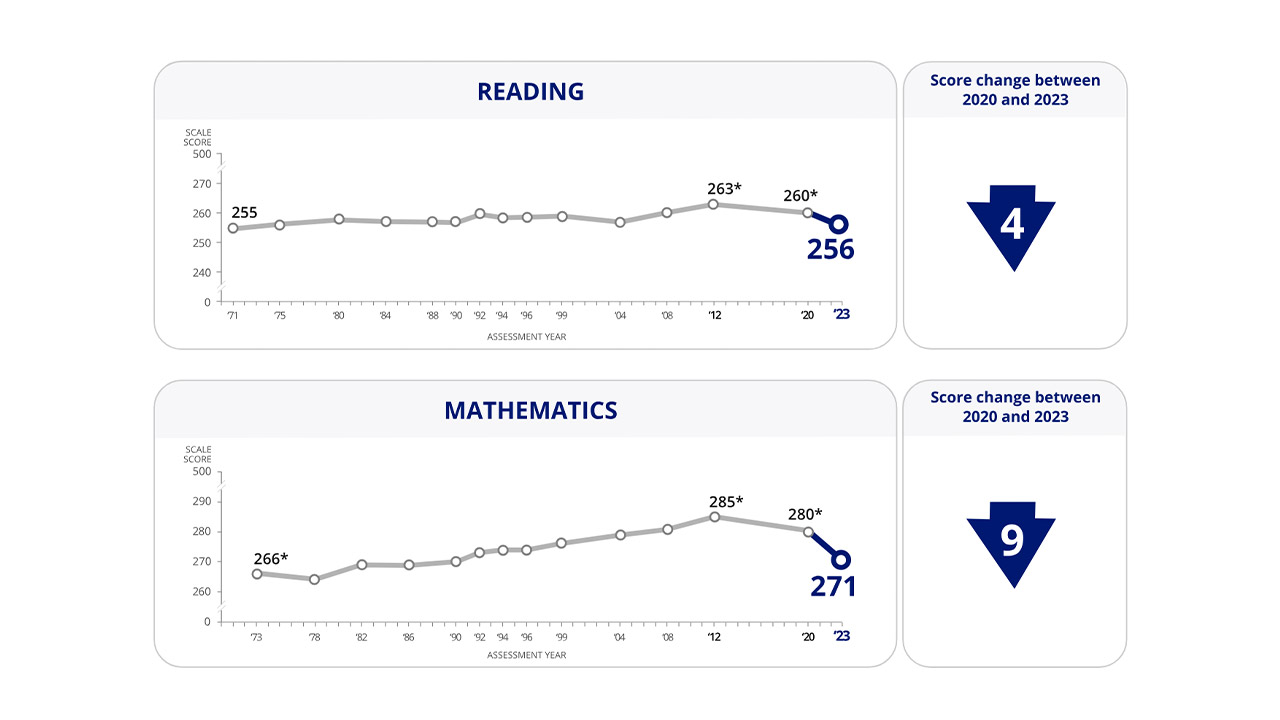
Comprehension is shallow when reading on screens than on paper, particularly for texts requiring deep understanding or when reading under time pressure. The medium matters – screens impair reading.
Full Citation
Liao, S., Yu, L., Kruger, J-L., & Reichle, E.D. (2024). Dynamic Reading in a digital age: new insights on cognition. Trends in Cognitive Sciences, 28(1), 9-21.
Publication Type
Peer-reviewed research article published in Trends in Cognitive Sciences, a leading journal in cognitive science research
What They Studied
Researchers examined how the cognitive processes involved in reading differ between paper and digital formats. The study investigated eye movements, attention patterns, comprehension levels, and memory formation when reading the same texts on different mediums.
Key Findings
- Screen reading makes comprehension more difficult
- “Comprehension tends to be less effective when reading on screens than on paper, particularly with texts that require a deep understanding or when reading under time pressure”
- The cognitive demands of screen reading differ from paper reading in ways that make comprehension more difficult
- Time pressure exacerbates the screen disadvantage – when students need to read and understand quickly (as in exams or homework), screens particularly undermine performance
- Complex, challenging texts show the largest comprehension gap between paper and screens
- The research reveals that it’s not just about preference or habit – there are genuine cognitive differences in how we process text on different mediums
- These findings have direct implications for educational policy: giving students complex texts on screens and then testing them under time pressure creates a double disadvantage
- The medium matters fundamentally – screens make reading harder, not just different
- This cognitive science research helps explain why decades of reading studies consistently show paper superiority