What parents need to know
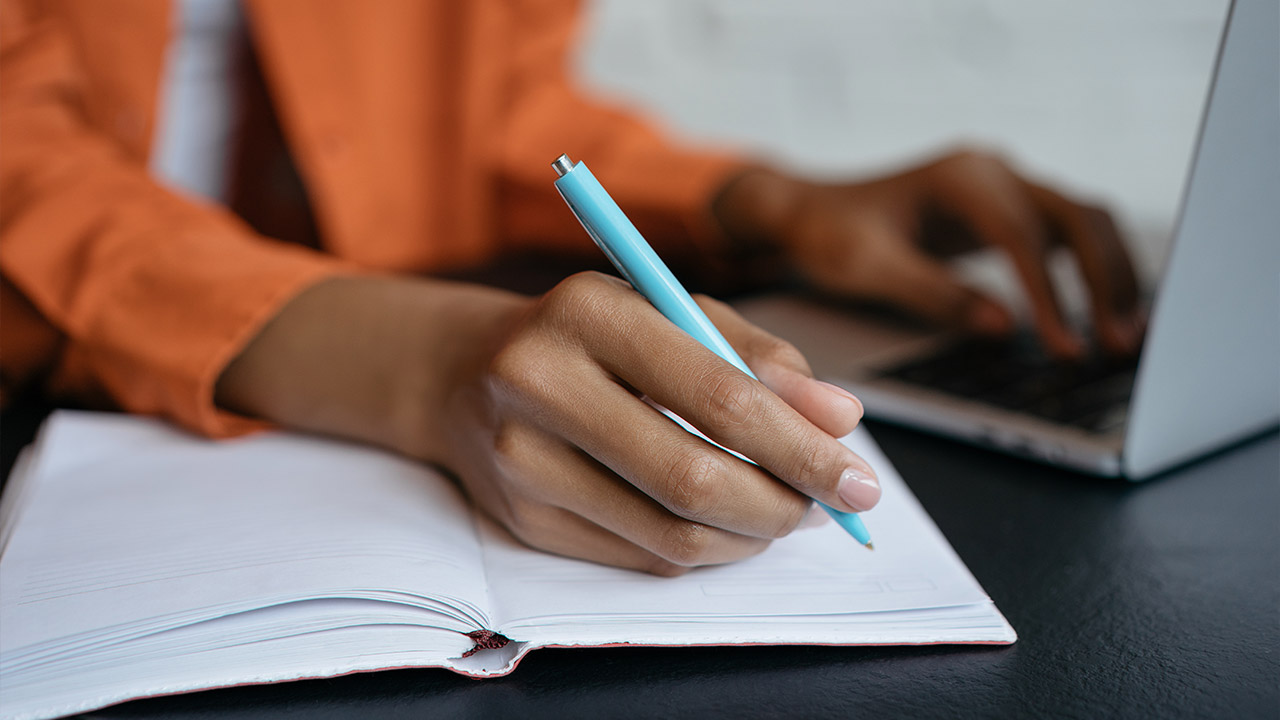
For “deeper reading” there is a clear advantage to reading on paper. On screens, “shallow reading was observed.” If you want your child to understand what they read, give them paper.
Full Citation
Research from Columbia University’s Teachers College examining deeper reading processes across mediums. (2024)
Publication Type
Academic research from Columbia University’s Teachers College, covered in The Guardian
What They Studied
Columbia University researchers investigated whether the type of cognitive processing differs between reading on paper versus screens. They specifically examined “deeper reading” – the kind of engaged, analytical reading required for genuine understanding – versus “shallow reading” – surface-level processing that captures basic information without deeper comprehension.
Key Findings
- For “deeper reading” there is a clear advantage to reading a text on paper, rather than on a screen
- On screens, “shallow reading was observed” – readers processed text at a surface level without the deeper engagement needed for full comprehension
- The research distinguishes between merely identifying words and truly understanding meaning – screens promote the former, paper facilitates the latter
- Deeper reading involves making connections, questioning content, synthesizing information, and engaging critically with text
- These higher-order reading skills are essential for academic success and are precisely what’s undermined by screen reading
- The finding has particular relevance for students with ADHD and other learning differences who may already struggle with sustained attention
- If students are primarily reading on screens, they may be developing habits of shallow processing that persist even when reading on paper
- The research suggests that the medium shapes not just immediate comprehension but reading strategies and habits more broadly
- For homework, study materials, and textbooks, this research argues strongly for paper formats when deep understanding is the goal