What parents need to know
Students who used computers nearly every day in maths and science scored 41 points lower in maths and 51 points lower in science than students who rarely used them. That’s a drop equivalent to one and a half letter grades.
Full Citation
Horvath, J.C. (2025). The Digital Divide: Why Classroom Tech Is Undermining Learning. Chapter analysis from forthcoming book based on TIMSS data.
Publication Type
Research synthesis and analysis by neuroscientist and education researcher, drawing on TIMSS (Trends in International Mathematics and Science Study) international assessment data
What They Studied
Jared Cooney Horvath analysed data from TIMSS, the longest-running global assessment of student performance in maths and science. In 2019, TIMSS asked students across multiple countries how often they used digital devices during maths and science lessons. Horvath examined the relationship between frequency of device use and academic performance, controlling for other variables that might influence achievement.
Key Findings
- TIMSS is the longest running global assessment of student performance in maths and science, providing robust international data
- “In 2019, TIMSS asked students how often they used digital devices during maths and science lessons. Once again, the pattern is unmistakable: more tech use at school led to lower scores”
- “On average, students who used computers nearly every day in class scored about 41 points lower in maths and 51 points lower in science than students who rarely used them”
- “That’s a drop from the 50th to the 32nd percentile – equivalent to one and a half letter grades”
- The relationship held true across diverse countries and educational systems
- The magnitude of the negative effect is educationally significant – not a trivial statistical finding
- This represents one of the most comprehensive pieces of evidence linking frequent classroom technology use to lower achievement
- The data directly contradicts claims that technology enhances STEM learning
Read more
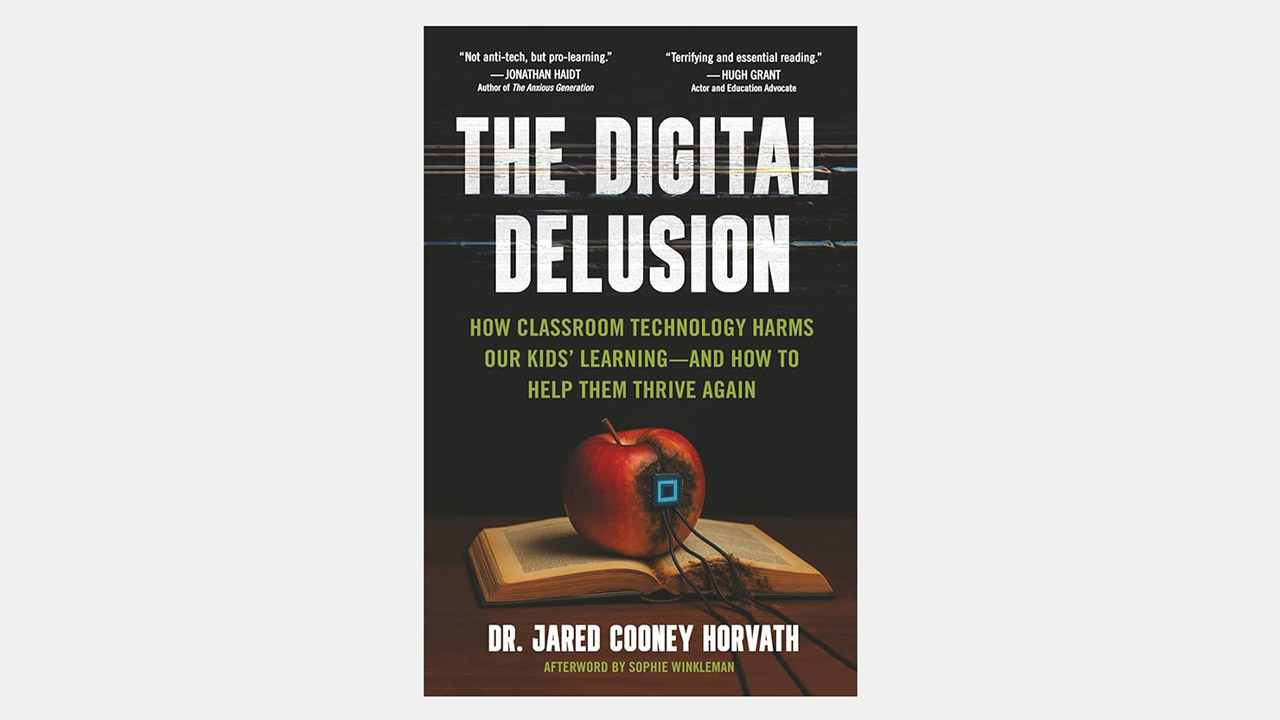
From Horvath’s book “The Digital Delusion” and related articles on After Babel