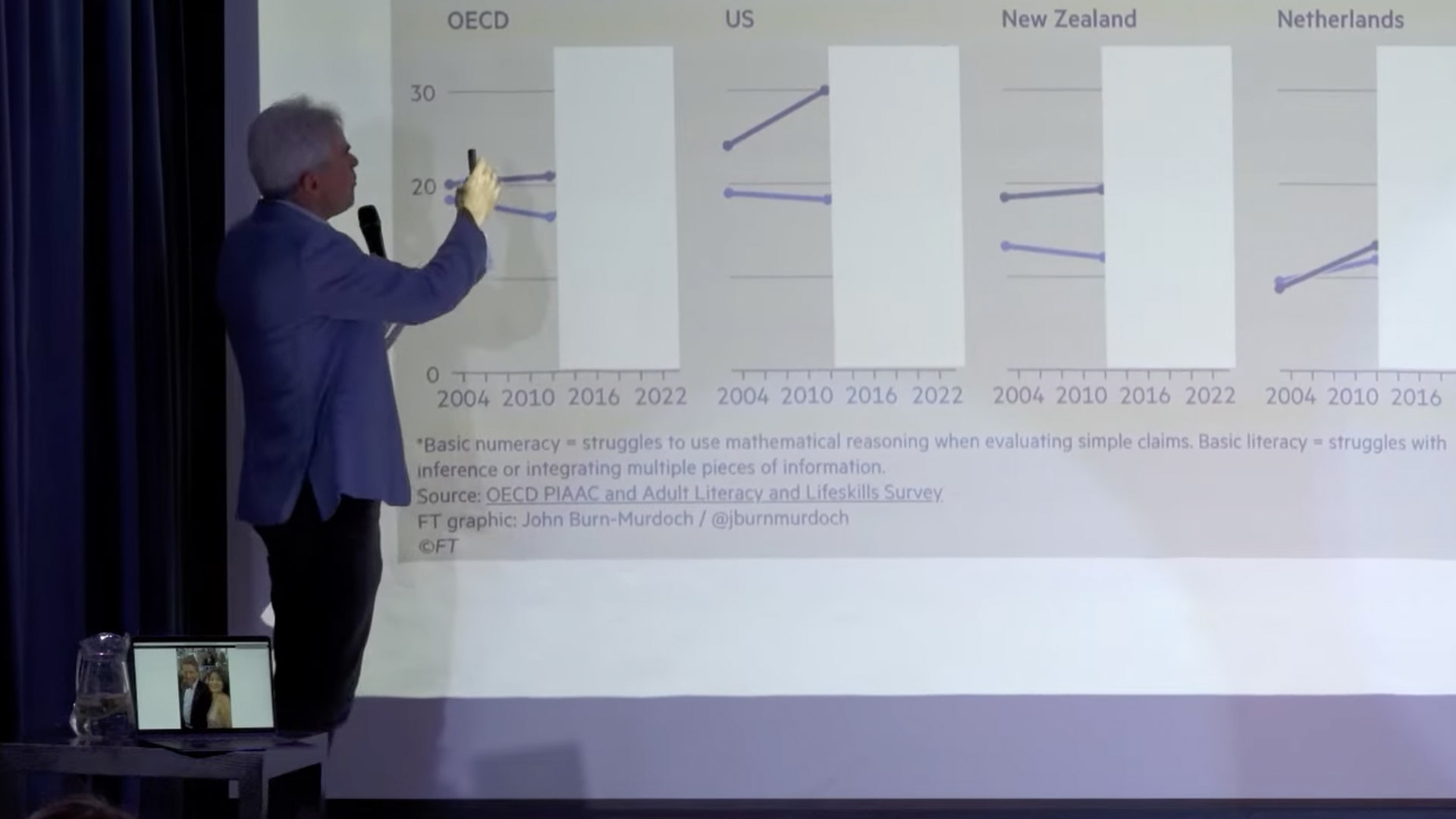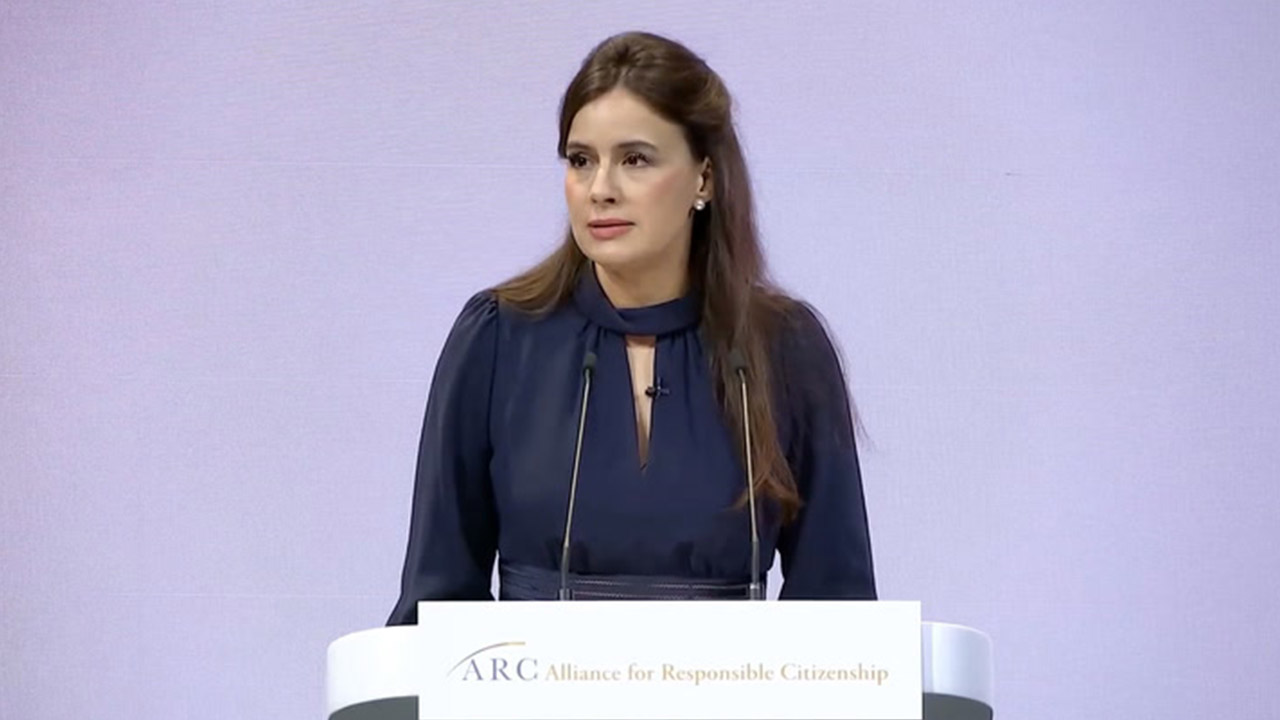
Dr Rangan Chatterjee gave evidence in Parliament at our emergency EdTech summit, highlighting what he believes is now one of the most urgent public health issues of our time: the sheer amount of screen exposure children face throughout their school day.
Drawing on 23 years of medical experience, Dr Chatterjee explained the real-world impact he is seeing. Screens are affecting children’s sleep, their eyesight, their ability to focus and their overall mental wellbeing. But the consequences go far beyond the classroom.
He explained how rising tech use in schools is adding real pressure on families. Children already spend much of their free time on screens and when homework and teacher communication also require devices, evening screen time becomes overwhelming and creates conflict at home.
The issue runs deeper too. These devices are built for distraction. Even adults struggle to resist constant scrolling, so it’s no surprise that children with developing brains find it even harder. When our ability to be present erodes, it impacts everything – our relationships, our happiness and our sense of self. Dr Chatterjee outlined two immediate steps that could help protect children’s wellbeing:
1️⃣ Remove screen-based homework to support better sleep and mental health.
2️⃣ Allow parents to opt out of screen-based learning for their children.
This is not about blaming teachers – they are doing their best in a challenging system. It’s about recognising the mounting evidence that excessive screen use in education is putting children’s health, learning and presence at risk.
Our children deserve an education that supports their wellbeing, not one that compromises it.
Close Screens Open Minds founder, Anna and husband actor Hugh Grant, are in complete agreement with Dr Chatterjee.