What parents need to know
Brain imaging shows different brain responses to print vs digital texts, including deeper semantic encoding for print. Your child’s brain processes paper text more deeply – you can see it in the scan.
Full Citation
Bae, G., Proverbio, A.M., & Chiarelli, V. (2024). Middle-schoolers’ reading and lexical-semantic processing depth in response to digital and print media: An N400 study. PLOS ONE, 19(10), e0290807.
Publication Type
Peer-reviewed neuroscience research published in PLOS ONE, using EEG brain imaging technology
What They Studied
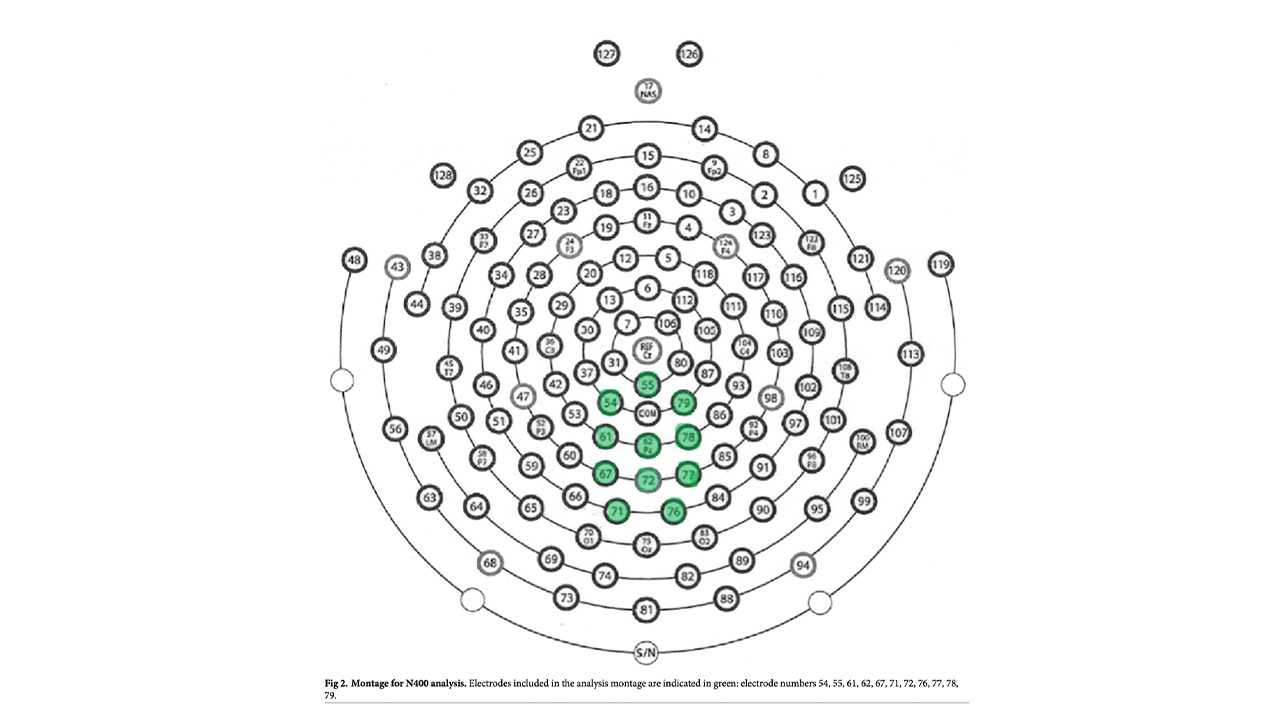
Researchers used EEG (electroencephalography) to measure brain activity in middle school students while reading texts on paper versus on screens. They specifically examined the N400 component – a well-established brain response that indicates semantic (meaning) processing depth. Larger N400 responses indicate deeper engagement with meaning; smaller responses suggest more superficial processing.
Key Findings
- “These findings provide evidence of differences in brain responses to texts presented in print and digital media, including deeper semantic encoding for print than digital texts”
- Brain imaging provides objective, biological evidence that the medium affects how deeply the brain processes meaning
- The N400 response was significantly larger (indicating deeper processing) when students read on paper compared to screens
- This isn’t about self-reported preference or subjective experience – it’s measurable neurological difference
- The brain processes the meaning of words more thoroughly when reading from paper
- Middle school students showed these effects, an age group crucial for developing reading skills and habits
- The research provides biological mechanism to explain behavioral findings about comprehension differences
- “Your child’s brain processes paper text more deeply” – this is now demonstrable through brain imaging
- The findings suggest that extensive screen reading may be training children’s brains to process text more superficially
- For schools making decisions about textbook formats, this neuroscience research provides additional evidence for paper