What parents need to know
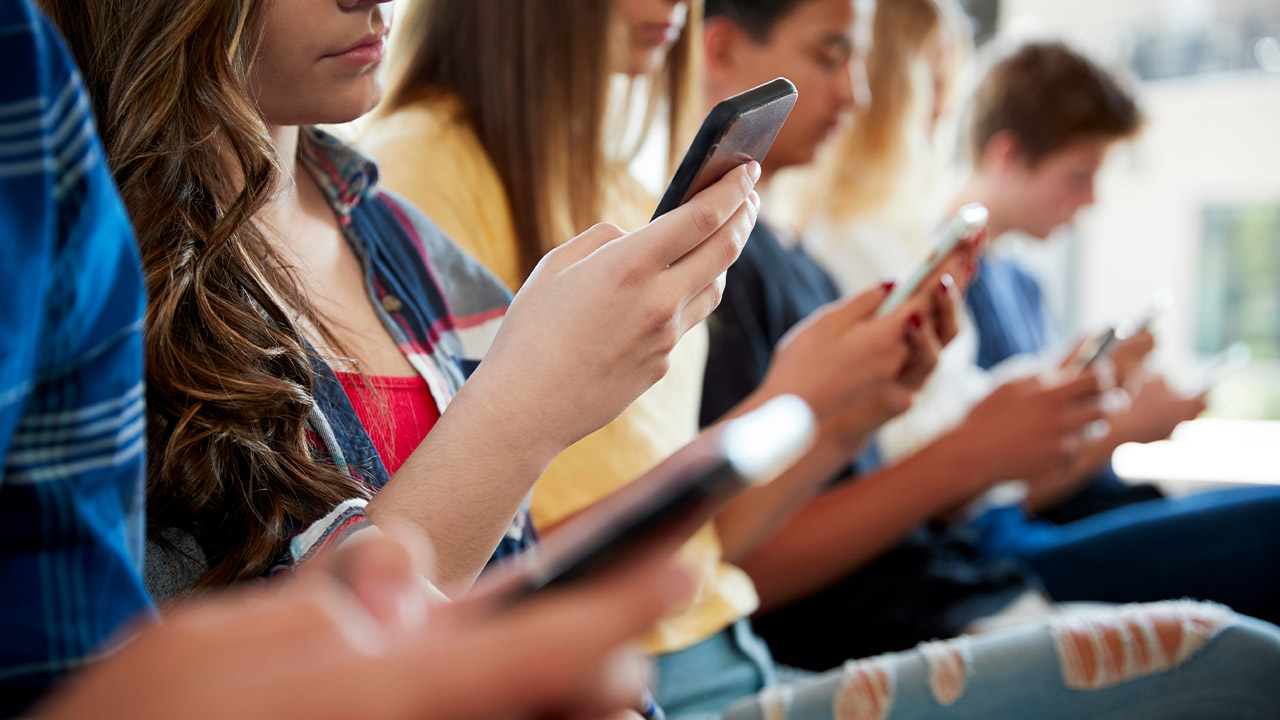
Study of 6,000 college students found mobile app use reduces grades, increases stress, lowers class attendance and job applications, and reduces future wages. It even negatively impacts the academic performance of randomly assigned roommates. Device distraction is contagious.
Full Citation
Barwick, P.J., Chen, Y., Fu, S., & Li, Y. (2025). Digital Distractions with Peer Influence: the Impact of Mobile App Usage on Academic and Labour Market Outcomes. Economic Research Journal (forthcoming).
Publication Type
Peer-reviewed economic research paper analysing large-scale student data
What They Studied
Economists at several leading universities studied approximately 6,000 college students, tracking their mobile app usage and correlating it with multiple outcomes including grades, stress levels, class attendance, job search behaviour, and eventual wages. Crucially, the study included randomly assigned roommates, allowing researchers to determine whether one student’s device use affected their roommate’s performance – providing evidence of whether device distraction has “spill over” or “contagion” effects.
Key Findings
- Mobile app use reduces grades significantly
- Device use increases student stress levels
- Students with higher app usage have lower class attendance
- Device distraction reduces job applications while still in school
- Students who used devices more heavily earned lower wages after graduation
- Most remarkably: device use negatively impacted the academic performance of randomly assigned roommates
- The roommate effect suggests that device distraction is “contagious” – one student’s device use can harm nearby students’ learning
- This has profound implications for classroom policies: a few students using devices can reduce learning for everyone around them
- Dr Jay Van Bavel commented on this research: “6,000 college students finds that digital devices are bad for academic performance and even affect peers in negative ways!”
- The study provides rare evidence of causation (not just correlation) because roommate assignments were random
- The long-term wage effects suggest that device distraction during education has lasting economic consequences