What parents need to know
Students who use no computers at all consistently score highest across subjects, countries, and testing cycles. Zero computer use = highest achievement. That’s the opposite of what schools told us.
Full Citation
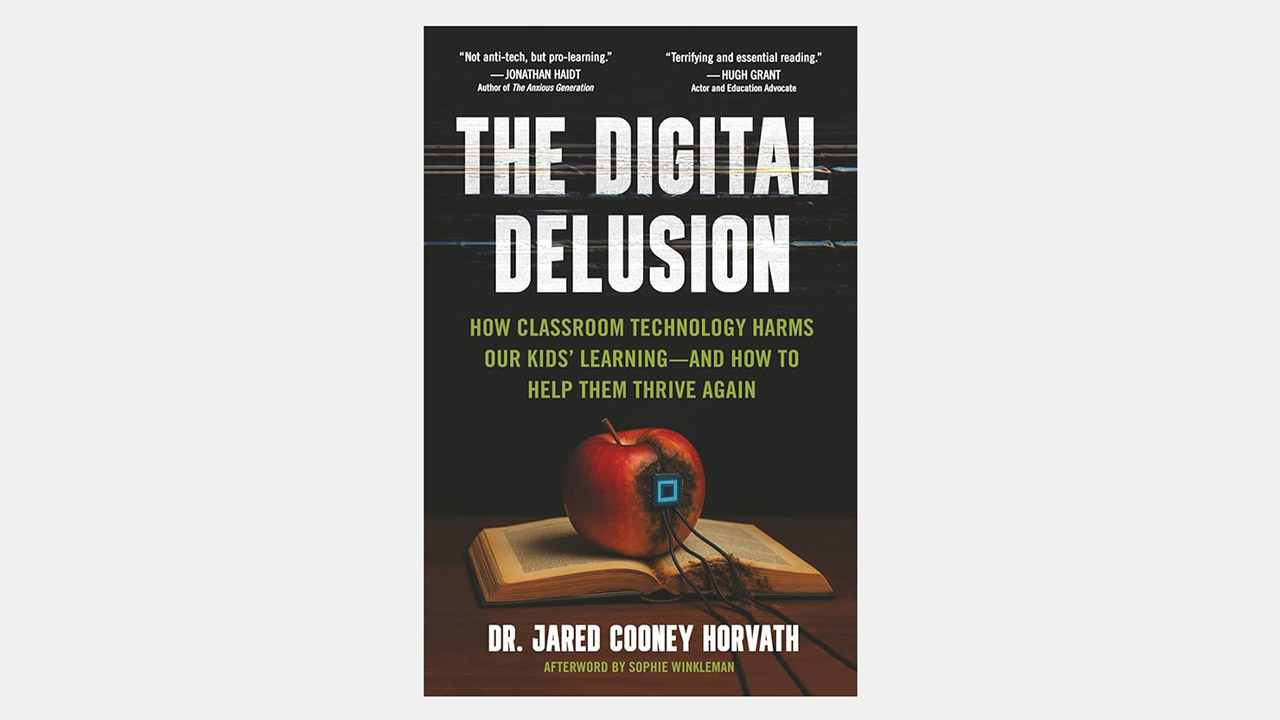
Horvath, J.C. (2025). The Digital Delusion: How Classroom Technology Harms Our Kids’ Learning. Synthesis of international assessment data. Penguin Random House.
Publication Type
Research synthesis analysing patterns across PISA, TIMSS, and PIRLS international assessments
What They Studied
Jared Cooney Horvath synthesized findings from the three major international educational assessments (PISA, TIMSS, PIRLS) to identify consistent patterns in the relationship between computer use and academic performance. By examining data across different subjects, age groups, countries, and testing cycles, he identified one of the most striking and consistent findings in educational technology research.
Key Findings
- “At a glance: across all three major international assessments, greater in-school computer use correlates with lower scores – equivalent to one to two letter grades”
- “Students who use no computers at all consistently score highest across subjects, countries and testing cycles”
- This finding is remarkably consistent – it holds true regardless of subject (reading, maths, science), regardless of country, and across multiple years of data
- The relationship is not just that heavy computer use correlates with lower scores, but that zero computer use correlates with the highest scores
- This directly contradicts the widespread assumption that some computer use is essential for academic success
- The pattern suggests that whatever benefits computers might provide in specific, targeted applications are outweighed by the costs of general classroom computer use
- “Moving exams online introduces a clear mode effect, lowering scores for all students (especially those less familiar with screens)”
- “Attempts by test makers to hide or suppress this data suggest growing awareness of technology’s academic downsides”
- The consistency across diverse educational contexts suggests this is a fundamental relationship, not an artifact of particular implementation approaches
- For parents and schools, the implication is clear: reducing or eliminating general computer use is associated with better academic outcomes
Read the book
Horvath, J.C. (2025). The Digital Delusion. Penguin Random House.