What parents need to know
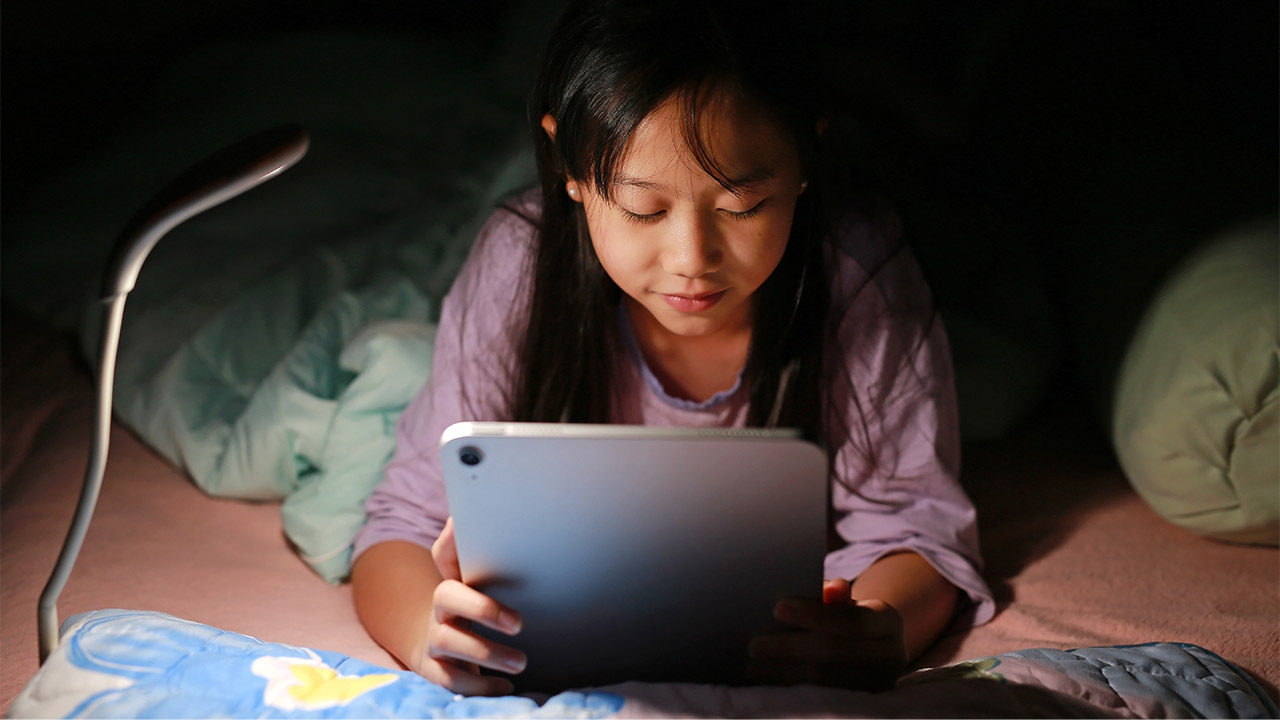
Poor sleep from excessive screen use negatively affects the prefrontal cortex, harming operational memory and executive function. Poor sleep also reduces daytime alertness and ability to learn new information at school. Screen homework makes your child too tired to learn the next day.
Full Citation
Silva, A.R.A., Silveira, A.C.C., Almeida, L.S., Nascimento, V.L., Santos, M.A.C., & Heimer, M.V. (2022). Use of digital screens by adolescents and association with sleep quality: A systematic review. Sleep Medicine Reviews, 64, 101652.
Publication Type
Systematic review published in Sleep Medicine Reviews, a leading peer-reviewed journal in sleep research
What They Studied
Researchers conducted a systematic review of studies examining the relationship between adolescent digital screen use and sleep quality. The review analysed multiple studies investigating how screen time – particularly in the evening – affects various aspects of sleep including sleep duration, sleep latency (time to fall asleep), sleep quality, and daytime sleepiness. The review also examined the mechanisms by which screens disrupt sleep and the downstream effects on cognitive function and learning.
Key Findings:
- “Excessive use of digital screens was associated with worse and shorter sleep, showing, as its main consequences, night awakenings, long sleep latency, and daytime sleepiness”
- “Poor sleep, associated with the excessive use of digital screens, has been closely related to adverse effects on the cognitive processes of the prefrontal cortex, which can negatively influence operational memory and the executive function of the brain”
- “Moreover, poor sleep reduces daytime alertness, the ability to learn new information in school”
- Evening screen use delays melatonin production, making it harder to fall asleep
- The blue light from screens interferes with the body’s natural circadian rhythms
- Screen engagement (particularly interactive or stimulating content) increases arousal, further delaying sleep onset
- The cognitive effects of poor sleep include impaired attention, reduced working memory, and decreased ability to regulate emotions
- When schools require homework to be completed on screens in the evening, they are directly undermining students’ ability to learn effectively the next day
- This creates a vicious cycle: screen homework disrupts sleep, poor sleep reduces learning capacity, falling behind creates more homework stress