What parents need to know
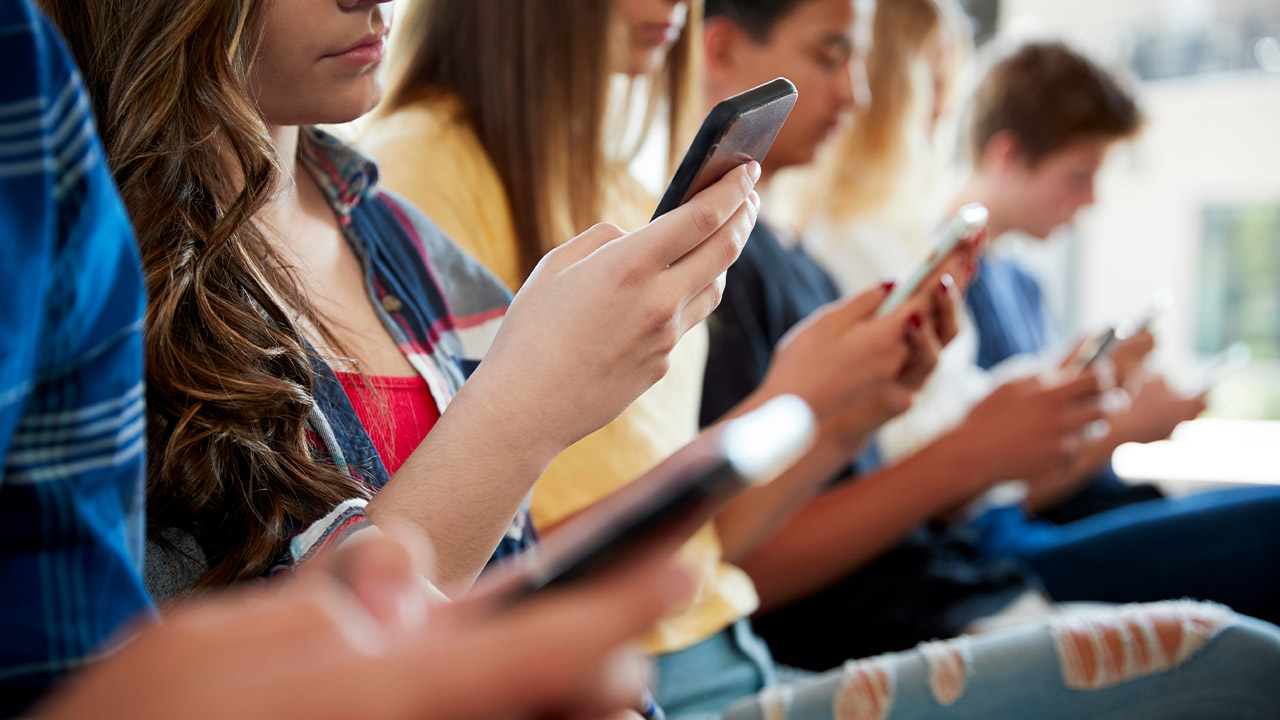
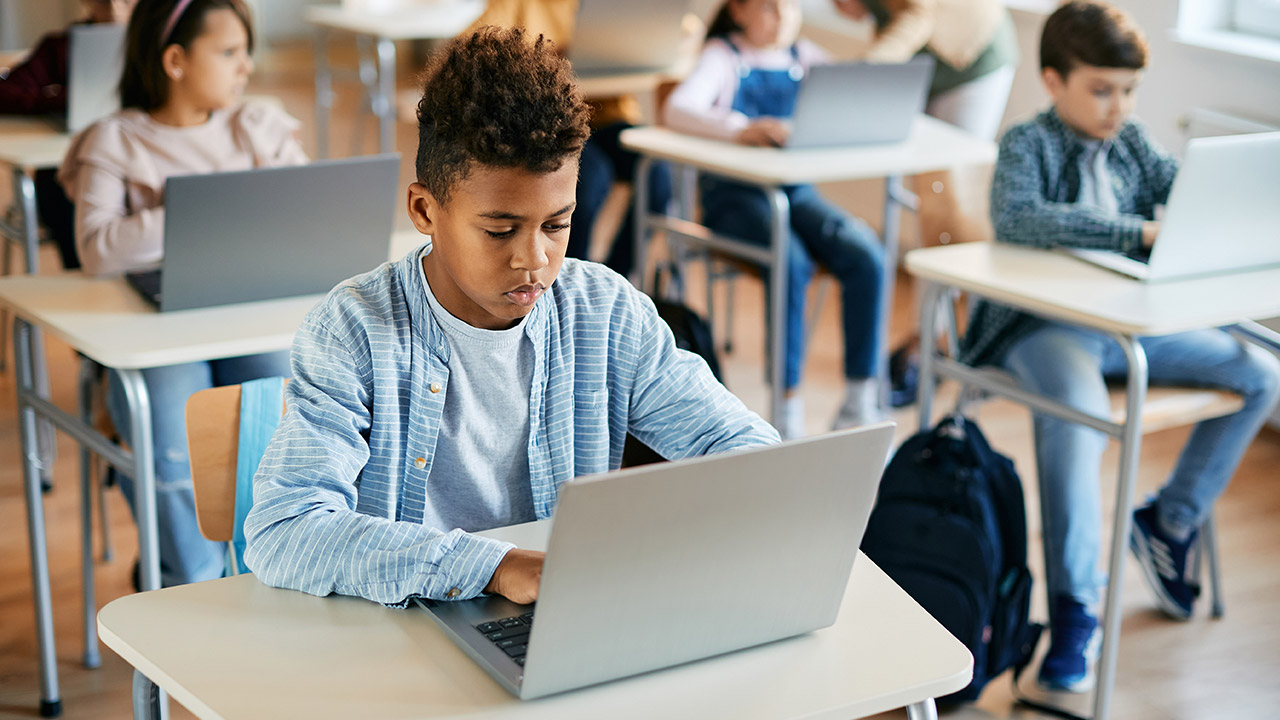
The worldwide decline in test scores started well before the pandemic, around 2012. One obvious culprit is smartphones. But phones are not the only electric device students use in schools. These days, laptops or tablets are increasingly used in school and for homework. Digital distraction is terrible for academic performance.
Full Citation
Twenge, J.M. (2024). The Laptop That Ate Your Child’s Classroom. The New York Times, Opinion Section, 16 November, 2025.
Publication Type
Evidence-based opinion article by leading psychology researcher, published in The New York Times
What They Studied
Professor Jean Twenge, a leading researcher on technology’s effects on youth, researched the relationship between laptop and device use in schools with international test score data.
Key Findings
- The correlation between increased device distraction and declining academic performance is evident even in world-class education systems
- Too much device use can hurt academic performance, mostly because of increased distraction and engagement in non-academic activities
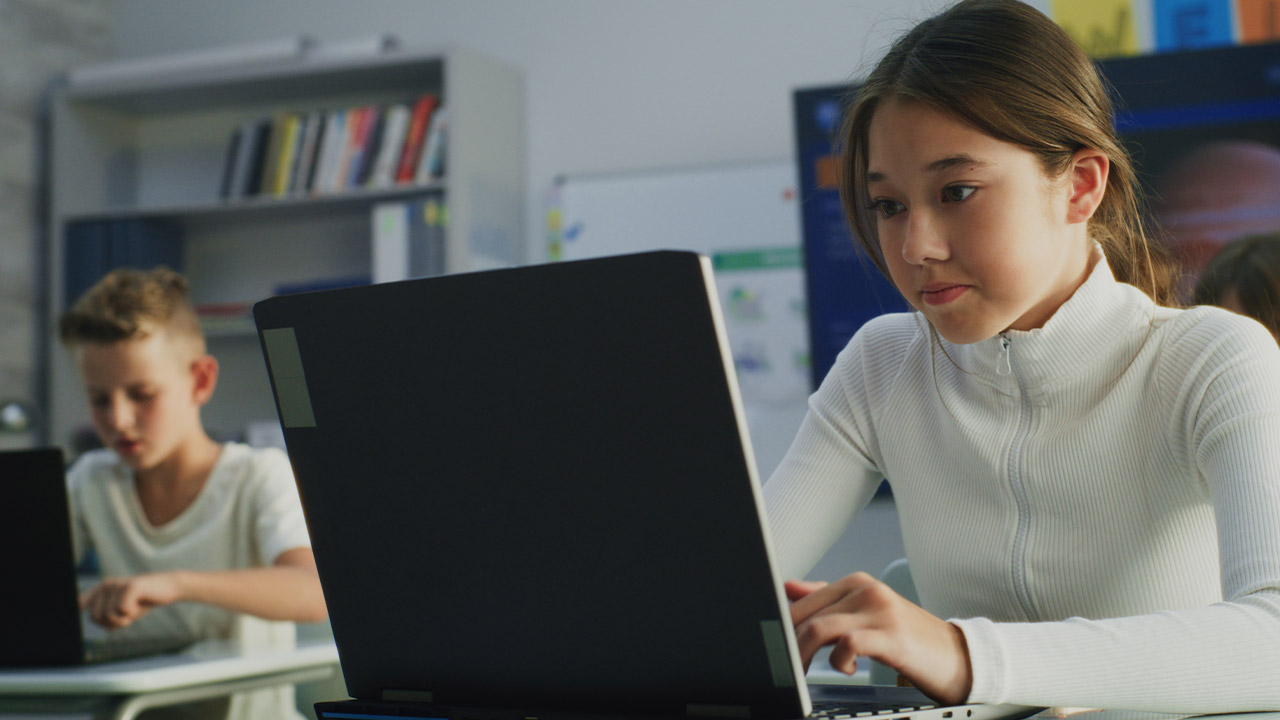
- School laptops allow access to an unlimited number of functions and children are accessing TV shows, videos, games, checking social media and emails and even pornography – at school and when doing homework.
- A 2018 meta-analysis found that reading on paper, compared with reading digitally, led to significantly better comprehension among students from elementary school to college
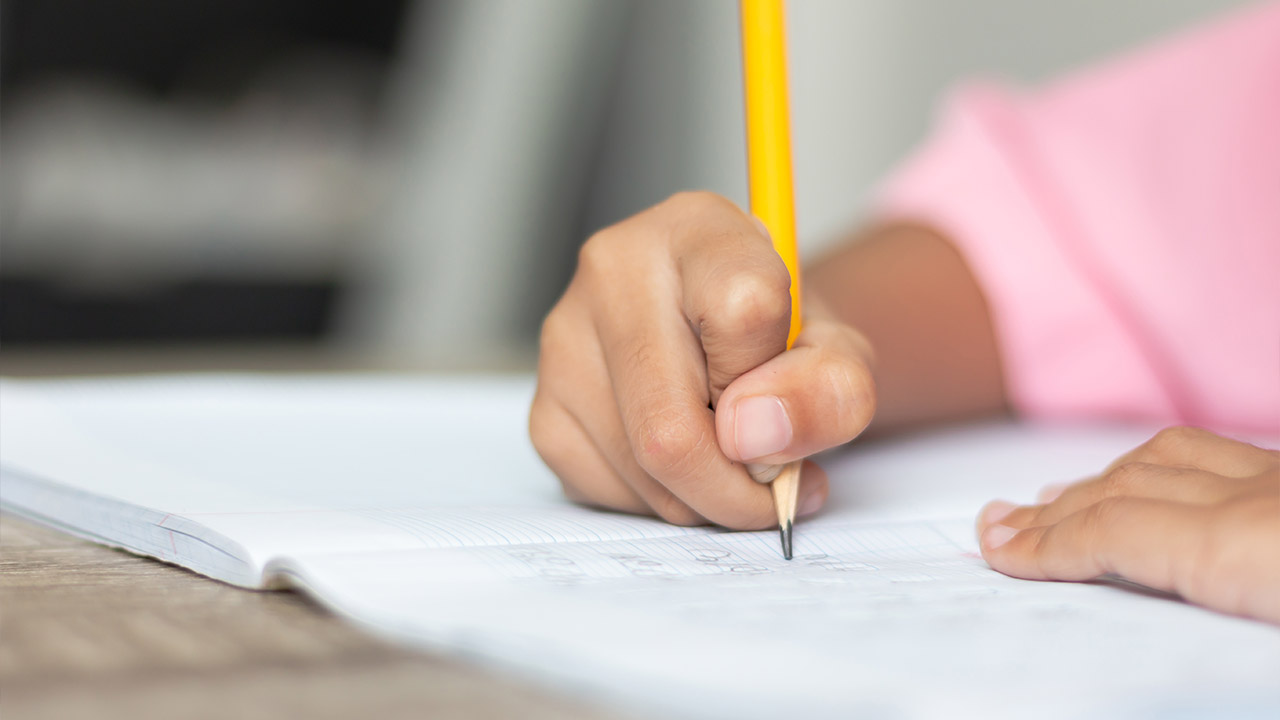
- Across 24 studies, college students who took handwritten notes were 58% more likely to get A’s in their courses than those who typed notes on laptops
- Students who typed notes were 75% more likely to fail the course than those who wrote them by hand
- One study of Michigan State college students found they spent nearly 40% of class time scrolling social media, checking email, or watching videos on their laptops – anything but their classwork
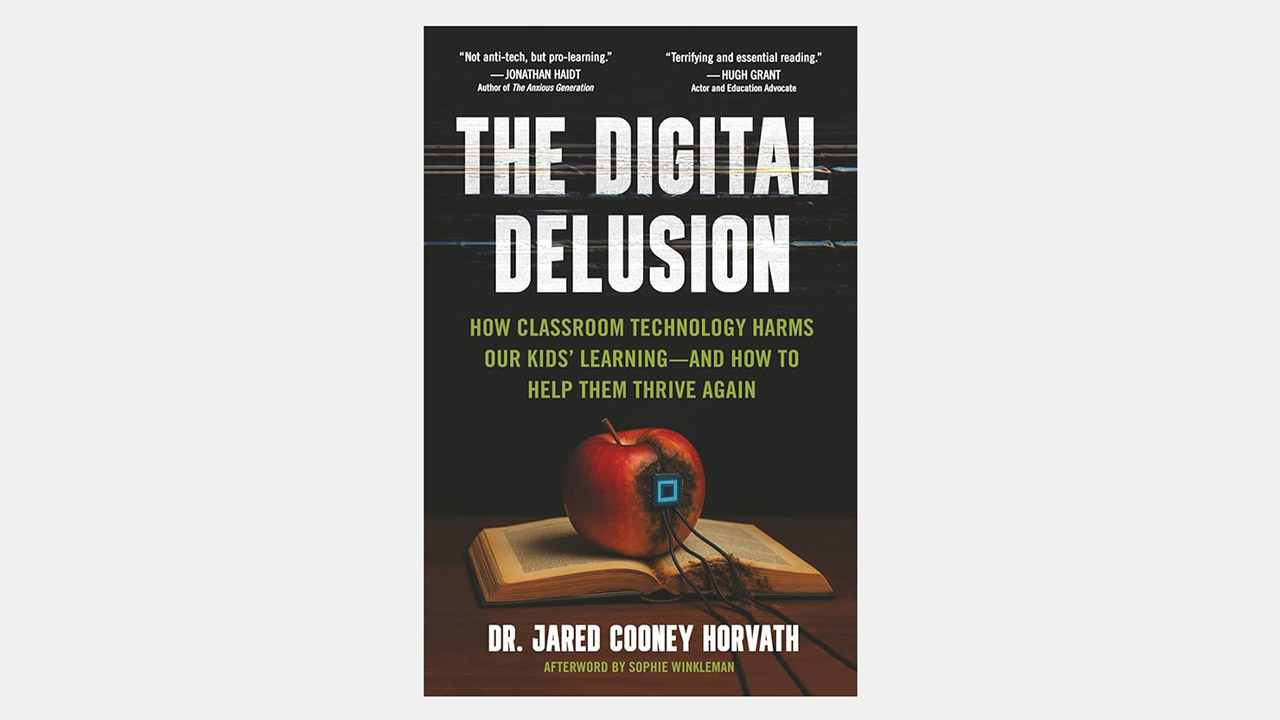
- Jonathan Haidt commented on this article, emphasizing the need to limit tablet and laptop use in schools