What parents need to know
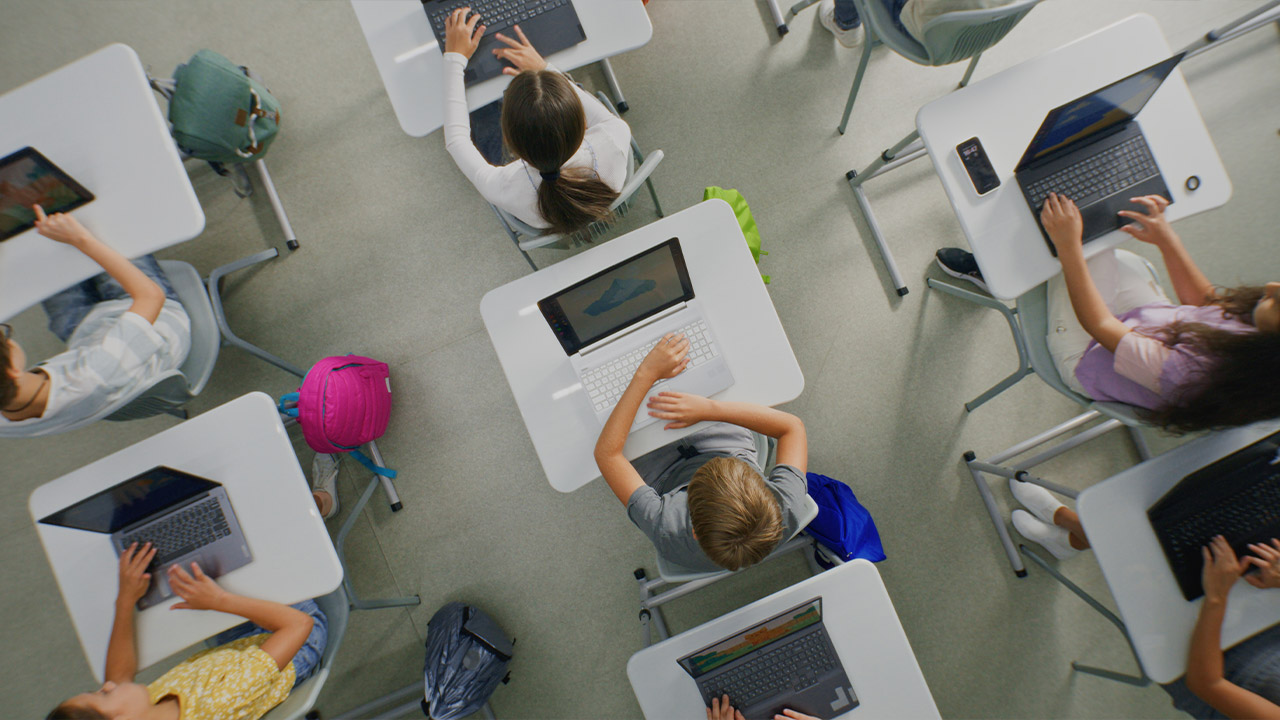
After studying 70 countries, the OECD found that “students who use computers very frequently at school do a lot worse in most learning outcomes.” Countries that spent heavily on classroom technology saw no improvements in reading, maths, or science. Technology failed to help disadvantaged students – it often made inequality worse.
Full Citation
OECD. (2015). Students, Computers and Learning: Making the Connection. Paris: OECD Publishing.
Publication Type
Major international research report by the Organisation for Economic Co-operation and Development, based on PISA data from 70+ countries
What They Studied
The OECD conducted the most comprehensive international analysis of the relationship between computer use in schools and student achievement. Using data from the Programme for International Student Assessment (PISA), researchers examined reading, mathematics, and science performance across more than 70 countries and economies, correlating results with the frequency and type of technology use in schools. The study also investigated whether technology helped bridge achievement gaps between advantaged and disadvantaged students.
Key Findings
- “Students who use computers very frequently at school do a lot worse in most learning outcomes, even after accounting for social background and student demographics”
- The results show “no appreciable improvements in student achievement in reading, mathematics or science in the countries that had invested heavily in ICT for education”
- “Perhaps the most disappointing finding of the report is that technology is of little help in bridging the skills divide between advantaged and disadvantaged students”
- Countries that invested less in introducing computers into schools improved faster, on average, than countries that invested more – results were similar across reading, mathematics and science
- “Put simply, ensuring that every child attains a baseline level of proficiency in reading and mathematics seems to do more to create equal opportunities in a digital world than can be achieved by expanding or subsidising access to high-tech devices and services”
- There is no single country in which the internet is used frequently at school and where students’ performance improved
- Limited use of computers at school may be better than no use at all, but levels of computer use above the current OECD average are associated with significantly poorer results