What parents need to know
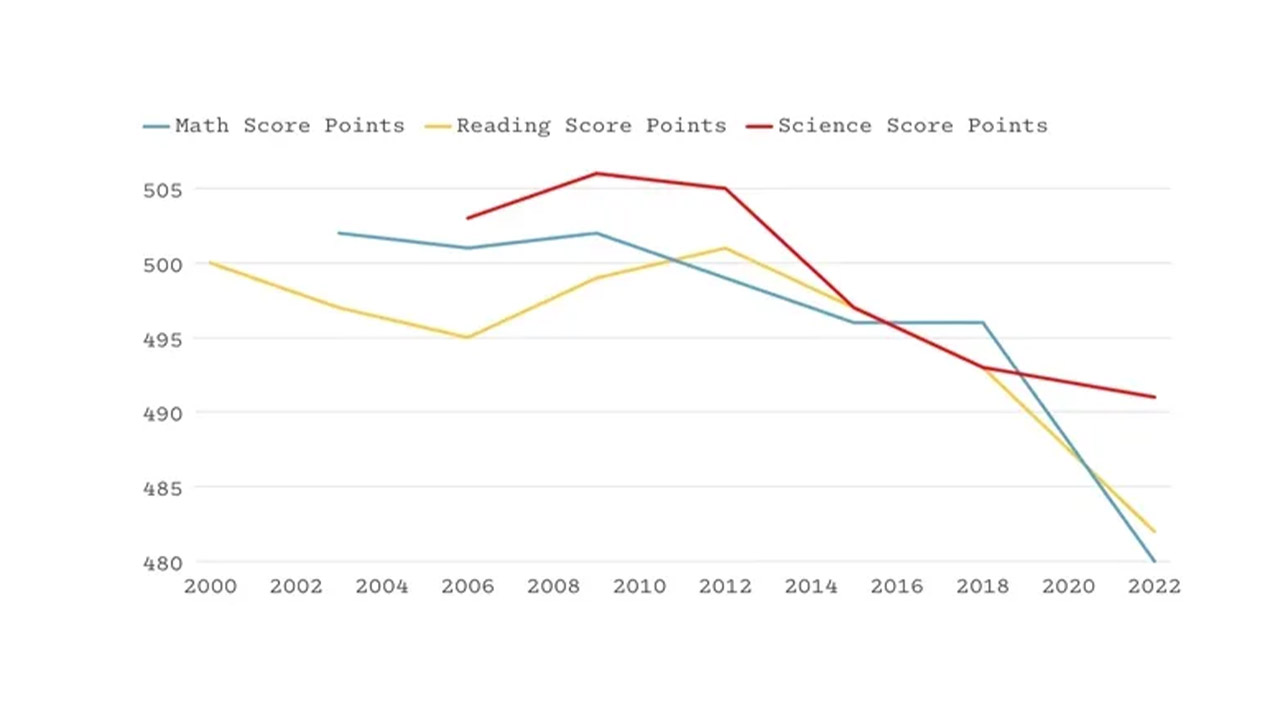
“International studies repeatedly show that frequent use of ICT in the classroom does not establish positive correlations with academic performance.” It’s very difficult to find any evidence that digital technology improves test scores.
Full Citation
Valverde-Berrocoso, J., Acevedo-Borrega, J., & Cerezo-Pizarro, M. (2022). Educational Technology and Student Performance: A Systematic Review. Sustainability, 14(18), 11395.
Publication Type
Systematic peer-reviewed academic review published in Sustainability journal
What They Studied
Researchers conducted a comprehensive systematic review of international studies examining the relationship between Information and Communication Technology (ICT) use in classrooms and student academic performance. The review analyzed multiple large-scale studies across different countries and educational contexts to determine whether the widespread adoption of classroom technology has produced the promised improvements in student achievement.
Key Findings
- “International studies repeatedly show that frequent use of ICT in the classroom does not establish positive correlations with academic performance”
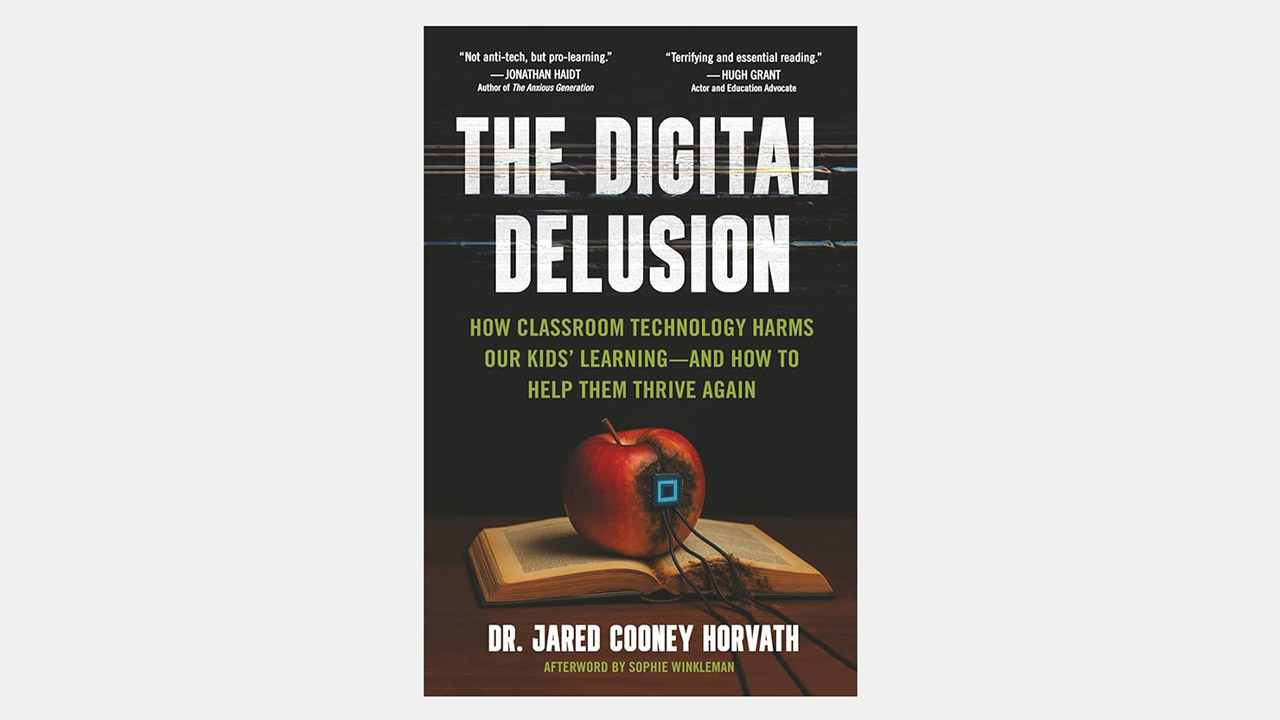
- As Jared Cooney Horvath quotes in his book The Digital Delusion: “It is very difficult to find conclusive and consistent evidence to support the hypothesis of a positive impact of [digital technology] use on student performance as measured by standardised tests”
- The systematic review found that despite decades of technology integration and massive financial investment, evidence of improved academic outcomes remains elusive
- Where positive effects were found, they were typically small and inconsistent across different contexts
- Many studies showing initial promise failed to demonstrate lasting benefits
- The gap between EdTech marketing promises and actual research evidence is substantial
- The review suggests that assumptions about technology’s educational benefits have driven adoption far ahead of supporting evidence