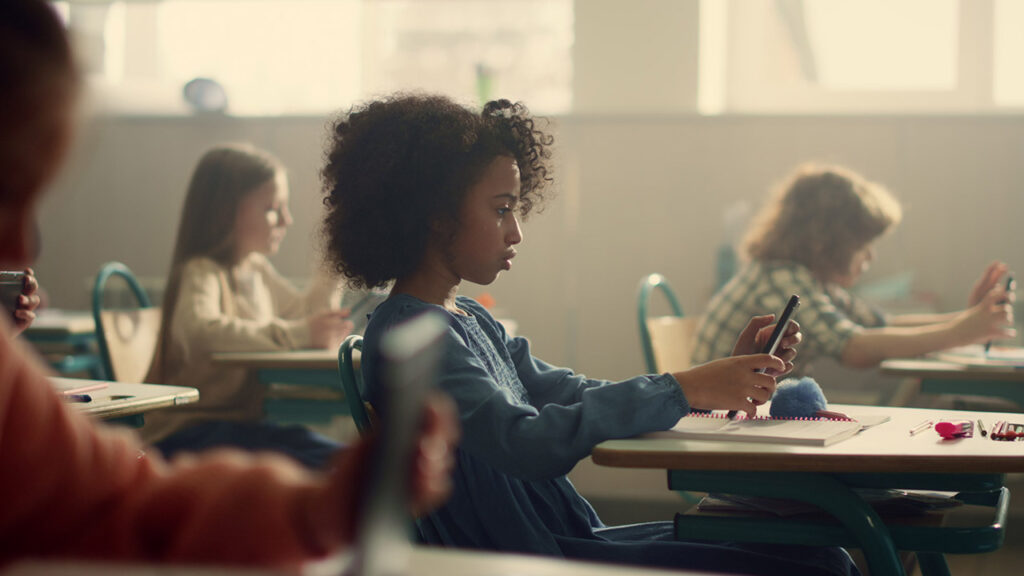
Education Declines When Screens Enter the Classroom
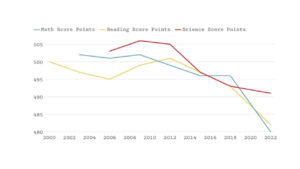
The more screens in class, the lower the scores – proven across every major international assessment.
International Testing Shows the Pattern
TIMSS, PISA, PIRLS all confirm the same result.
Students who use no computers at all consistently score highest across subjects, countries, and testing cycles.
Key Findings
TIMSS: Daily computer users scored 41 points lower in maths, 51 points lower in science – equivalent to 1.5 letter grades.1
PISA: When tests moved online in 2015, scores dropped 14 points across the board.1
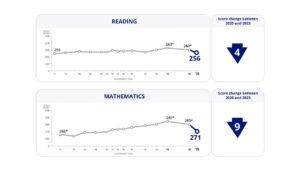
PIRLS: Online reading tests in 2021 saw 27-point average score drop.1
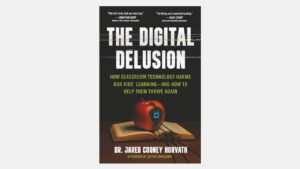
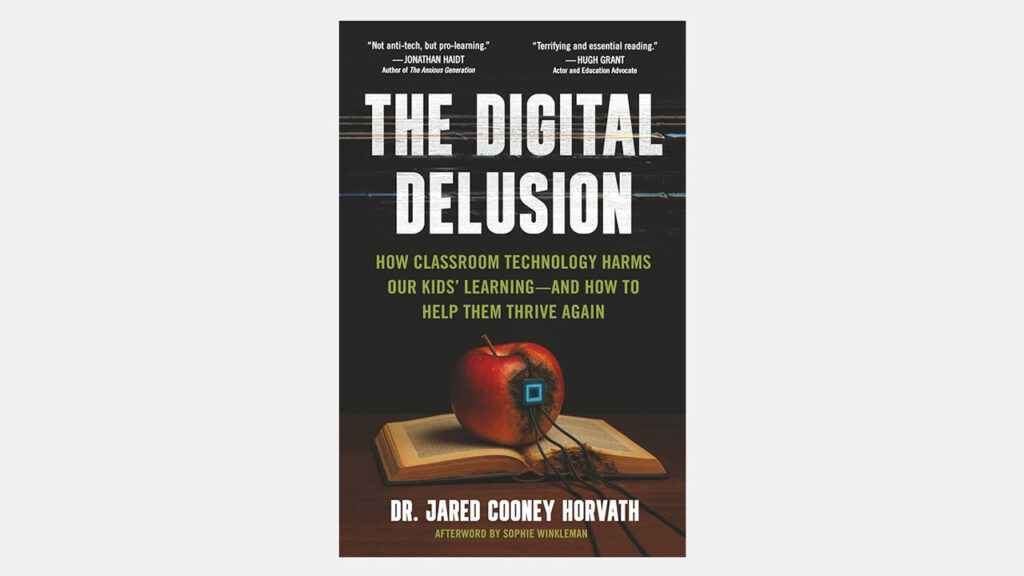
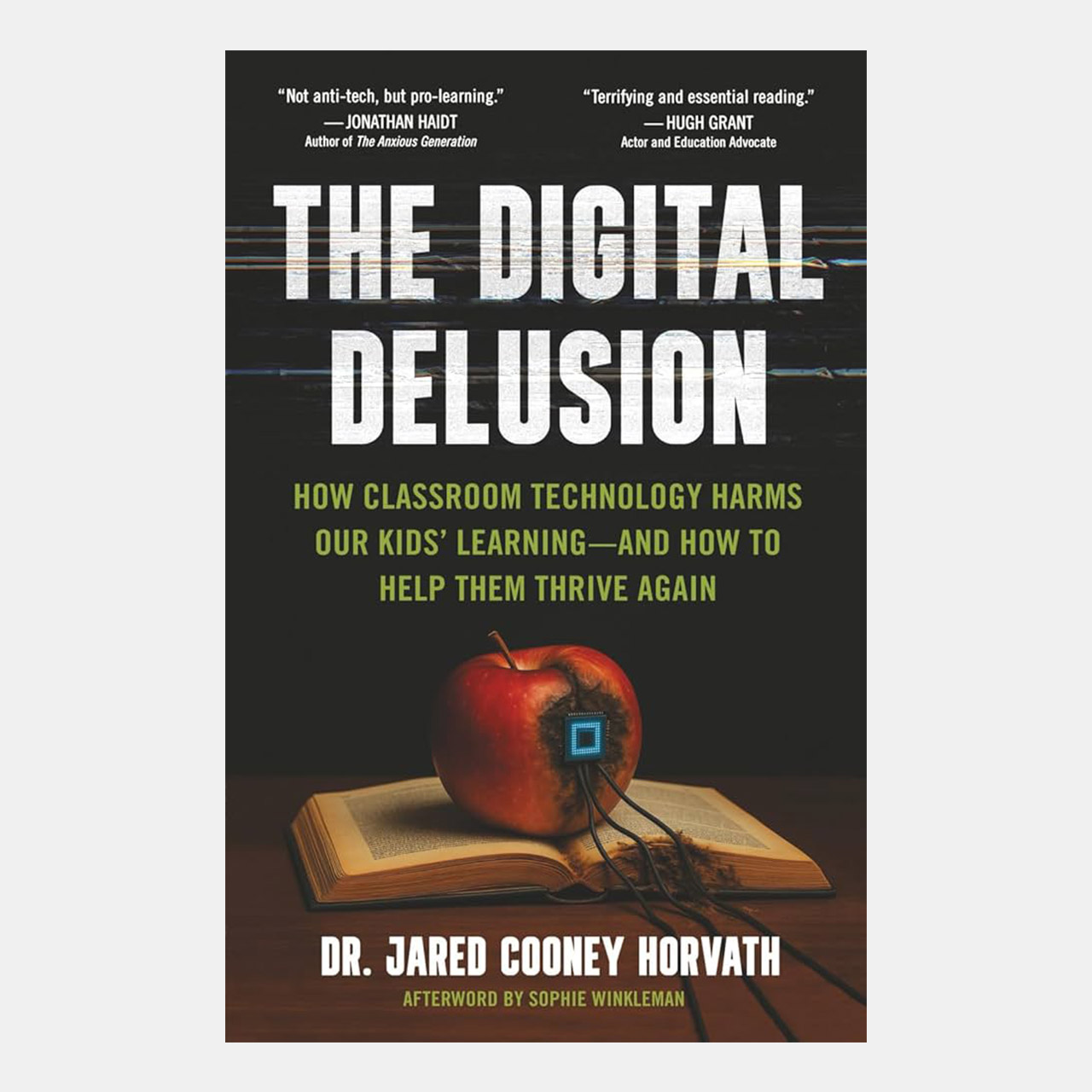
- Horvath, J.C. (2025). The Digital Delusion.
Large-Scale Studies Confirm
Hundreds of thousands of students, decades of research.
“Educational ICT resources are significantly and negatively correlated with student academic performance.”
Key Findings
MIT Review (2019): 126 studies found computers alone don’t improve grades or test scores.1
Twenge (2025): Test scores fell more in countries where students used devices more.2
Horvath: “Investing in air conditioning has more impact than laptops.”3
- Bulman & Fairlie (2019). Technology and Education | Valverde-Berrocoso et al (2022). Educational Technology and Student Performance, Sustainability. | Horvath, J.C. (2024). After Babel/Substack.
- Wang & Wang (2023). Studies in Educational Evaluation. | Twenge, J.M. (2025). Journal of Adolescence. | Salmeron, Vargas, Delgado and Baron (2022).
- Horvath, J.C. (2024). After Babel/Substack.
What Happens in Real Classrooms
When researchers observe actual device use.
Even 30 minutes of digital device use in class negatively impacts reading comprehension scores.
Key Findings
300,000+ students: Digital activities in language arts “could well be hampering student reading development.”1
College students: Spent 40% of class time on social media, email, videos – not classwork.2
6,000 students: App use reduced grades, increased stress, even affected roommates.3
- Salmerón et al (2022). Journal of Computer Assisted Learning. | Ravizza et al (2017). Psychological Science | Day et al (2021). Computers & Education
- Barwick et al (2025). Economic Research Journal.
- Twenge, J.M. (2024). The New York Times.
Reading on Paper Better Than on Screen
Over 20 years of research shows the same result: paper beats screens for comprehension.
Two Decades of Consistent Evidence
The advantage of paper has increased since 2000.
If a student spends 10 hours reading on paper, their comprehension will be 6-8 times greater than reading digitally.
Key Studies
Valencia (2018): Meta-analysis of 54 studies confirms paper advantage
Valencia (2023): 6-8× comprehension advantage for paper
Columbia (2024): Clear advantage for “deeper reading” on paper
Oslo (2024): Screens lead to shallow processing; students unaware
Sources: Delgado et al (2018). Educational Research Review. | Delgado et al (2023). Review of Educational Research. | Singer & Alexander (2017). | Review of Educational Research. | Columbia University Teachers College (2024). The Guardian. | Jensen et al (2024). Computers & Education.
Why Screens Fail for Reading
The medium shapes the strategy.
“Screen-based reading triggers an unconscious shift from deep comprehension to shallow skimming.”
The Science
Digital texts lack fixed spatial layout – the scaffold that supports memory collapses
More time spent browsing, scanning, keyword spotting; less in-depth reading
Decreasing sustained attention noted across studies
Sources: Liu (2005). Journal of Documentation. | Liao et al (2024). Trends in Cognitive Sciences. | Horvath, J.C. (2025). The Digital Delusion.
Brain Science Confirms the Difference
Neuroscience reveals deeper processing for print.
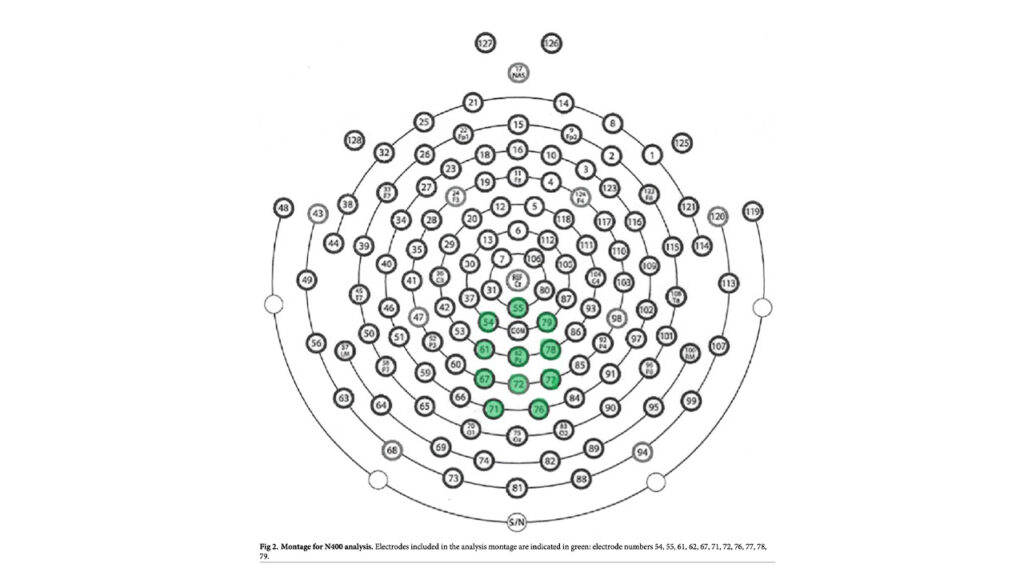
Brain imaging shows deeper semantic encoding for print than digital texts.
What Happens
E-readers activate reward systems, making it hard to unwind
Screen reading delays melatonin release by an hour
Brain doesn’t discriminate – all screens signal “new information”
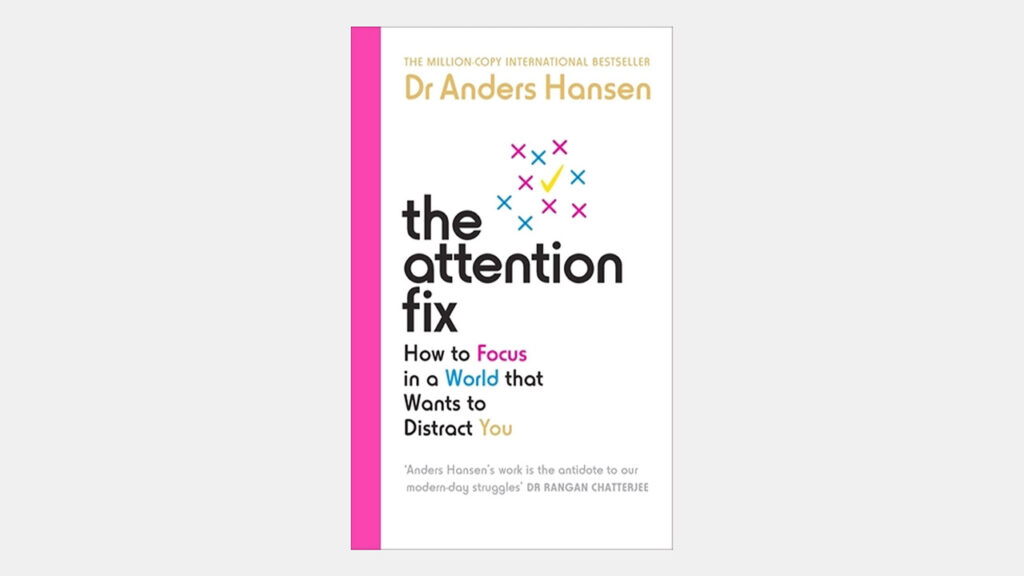
Sources: Bae et al (2024). PLOS ONE | Hansen, A. (2022). The Attention Fix.
Exams on Paper Better Than on Screen
The “mode effect” lowers scores for all students when tests move online.
The Mode Effect
Everyone does worse on screens
Paper-based test takers scored 20 points higher – equivalent to 6 months of additional schooling.
The Evidence
UCL PISA Analysis: Randomized study showed clear 6-month advantage
PISA 2015: 14-point drop when tests moved online
PIRLS 2021: 27-point drop acknowledged by test designers
Sources: Jerrim et al (2018). Oxford Review of Education. | Horvath, J.C. (2025). The Digital Delusion. | Christodoulou, D. No More Marking Substack.
Writing by Hand Better Than Typing
Handwriting doesn’t just capture information—it transforms how we think.
Handwriting Builds Better Learning
58% more likely to get A’s
Students who typed notes were 75% more likely to fail the course than those who wrote by hand.
The Data
24 studies: Handwritten notes = 58% more A’s
Doubled effect: When reviewing notes before exams
Professor Adam Grant: “The pen is mightier than the keyboard”
Sources: Flanagan et al (2024). Educational Psychology Review. | Grant, A. (2024). X/Twitter | Twenge, J.M. (2024). The New York Times.
Why Handwriting Works
“When we write by hand, we don’t just record thoughts, we shape them.”
The Mechanism
Handwriting is slow – forces focus on meaning, summarizing, reorganizing
Activates broader brain networks than typing
The arc of wrist, weight of pen – extends cognition beyond brain
Sources: Horvath, J.C. (2025). The Digital Delusion. | Taurisano, P. (2025). Neuroscience News.
Handwriting Develops Essential Skills
Our hands help our brains learn
Writing and reading draw on similar neural systems – strengthening one helps develop the other.
What’s Lost
Tech-heavy students show impaired handwriting and weaker literacy
Students neglect spelling, grammar with auto-correct
Lifelong consequences for language development
Sources: Horvath, J.C. (2025). The Digital Delusion. | Suggate et al (2025). Educational Psychology Review. | Haidt, J. (2025). X/Twitter.
Screen-Based Homework Harms Learning and Health
Evening screen use disrupts sleep and provides endless distraction.
Sleep Disruption
Melatonin delayed by an hour
“Kids on screens in the evening will be more tired, less emotionally regulated, more prone to getting triggered.”
The Impact
Poor sleep affects prefrontal cortex cognitive processes
Reduces daytime alertness and ability to learn
Huberman: “We’ll look back and realize this is the junk food of our era”
Sources: Chatterjee & Huberman (2022). Feel Better, Live More Podcast | Silva et al (2022). Sleep Medicine Reviews.
Endless Distraction at Home
YouTube instead of homework
“When we write by hand, we don’t just record thoughts, we shape them.”
The Problem
The same device for learning becomes the primary obstacle to it
Students tempted to endless loops of videos
No separation between school work and entertainment
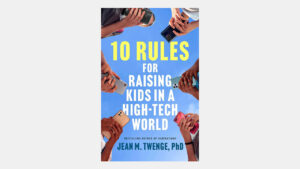
Sources: Twenge, J.M. (2024). 10 Rules for Raising Kids in a High-Tech World.
Why Screens Disrupt Learning: The Mechanisms
Understanding how technology undermines the fundamental processes of learning.
Attention Collapse
Six minutes before distraction
Students spend 24-38 minutes of every hour off-task when using laptops in class.
The Reality
Average student lasts less than 6 minutes before accessing social media
Even paid to focus, 40% can’t resist multitasking
Multitasking slows us down, lowers accuracy, stops learning
Sources: Horvath, J.C. (2025). The Digital Delusion. | Jared Cooney Horvath. After Babel: The EdTech Revolution Has Failed.
Lost Empathy and Human Connection
Algorithms can’t replicate teachers
Empathy is a core biological driver of learning – and it depends on real-time human connection.
What’s Lost
Students lose engagement and ability to push through frustration
No algorithm can replicate teacher-student resonance
Children lose one of the most powerful learning tools we know
Sources: Horvath, J.C. (2025). The Digital Delusion.
Failed Transfer
Skills stay trapped online
Skills developed offline are more robust, varied, and embodied than those learned online.
The Problem
Students who learn online become stuck – unable to export learning
Transfer is critical for skills meant to shape how we think and act
Real-world application fails when foundation is digital
Sources: Horvath, J.C. (2025). The Digital Delusion.